Are you a diabetic seeking the ideal noodles for your diet? Look no further than shirataki noodles. Shirataki noodles, made from konjac yam, are an ideal choice for those managing diabetes as they are sugar-free. Let’s delve into the details of shirataki noodles and their nutritional value.
Can a Diabetic Eat Noodles?
Some people have been battling type 1 or type 2 diabetes for a long time, while others have only recently received a diagnosis. Whatever the case may be, the most helpful hand will be having a better understanding of how to manage this sickness, with the proper health advice and food suggestions you need. You should be aware that there are a ton of support groups and even diabetic Asian cuisine cookbooks available today so you can figure out what the best foods you need to take to live your best life.
Diabetic patients need to pay more attention to their diet to avoid excessive intake of carbohydrates and high-sugar foods. Generally, staple foods such as traditional noodles, buckwheat noodles, wheat noodles, and whole wheat noodles have high carbohydrate content, which may lead to elevated blood sugar levels.In this regard, konjac noodles exhibit significant advantages due to their rich content of plant fibers, without fat and sugar. Plant fibers contribute to slowing down the digestion and absorption of food in the gastrointestinal tract, thereby aiding in controlling blood glucose levels.
How to Choose Noodles for Diabetic?
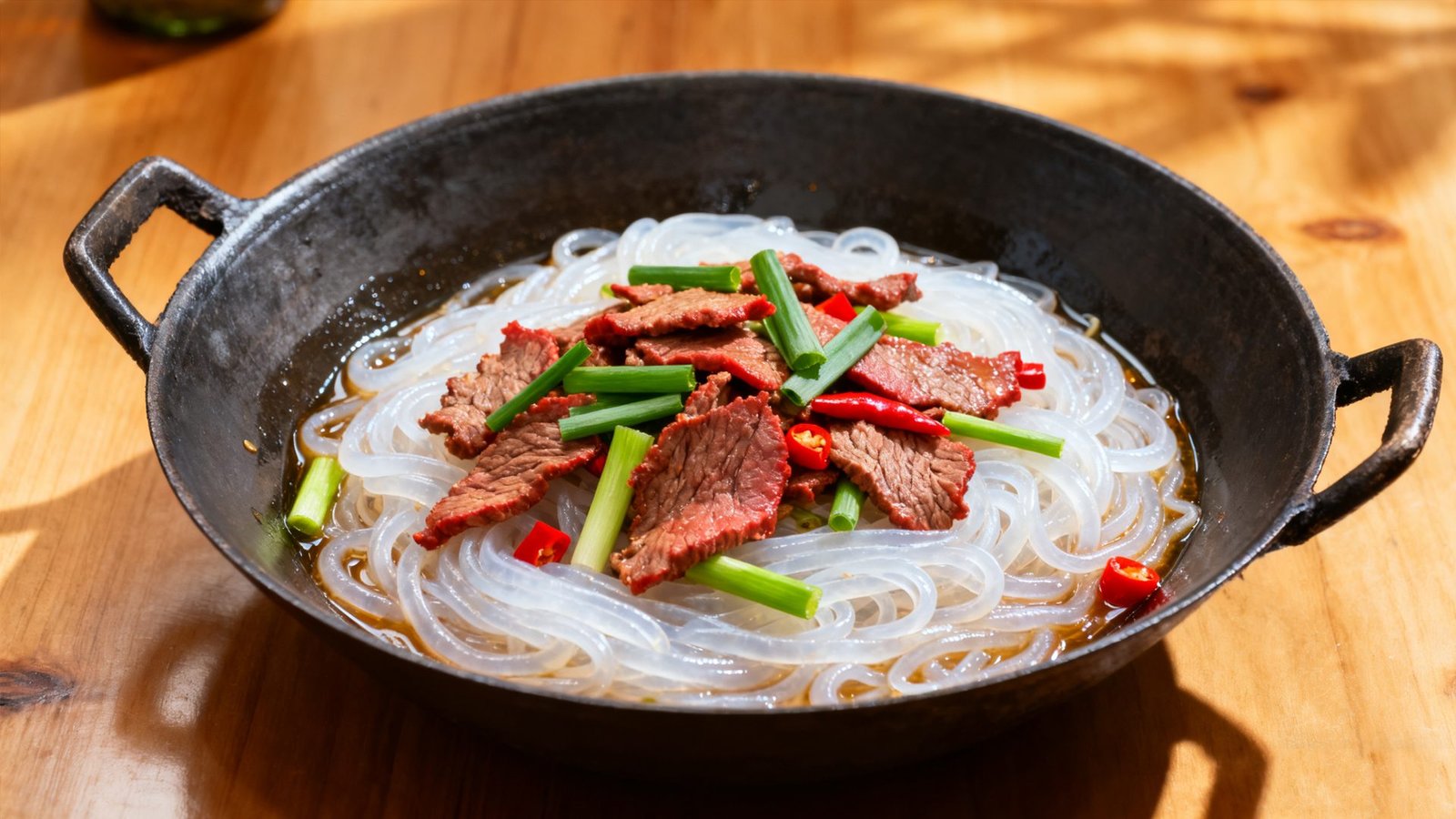
Shirataki noodles have low carbohydrate and low calorie content, are sugar free, and rich in dietary fiber. Unlike traditional noodles, shirataki noodles are free from wheat and other grains. For individuals with diabetes who are unsure about food choices, shirataki noodles are an ideal option. They not only satisfy cravings but also meet dietary requirements, offering a healthy and delicious choice for people with diabetes. Moreover, the versatile preparation of shirataki noodles allows them to be paired with various ingredients, catering to different taste preferences and adding variety to the diet of individuals with diabetes.
Shirataki Noodles for Diabetic
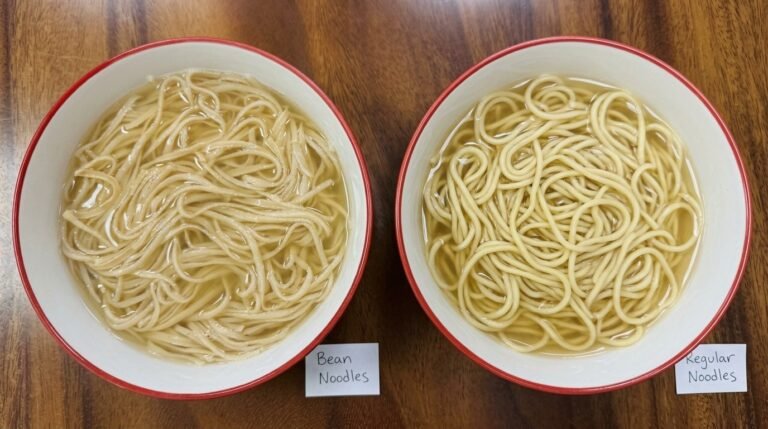
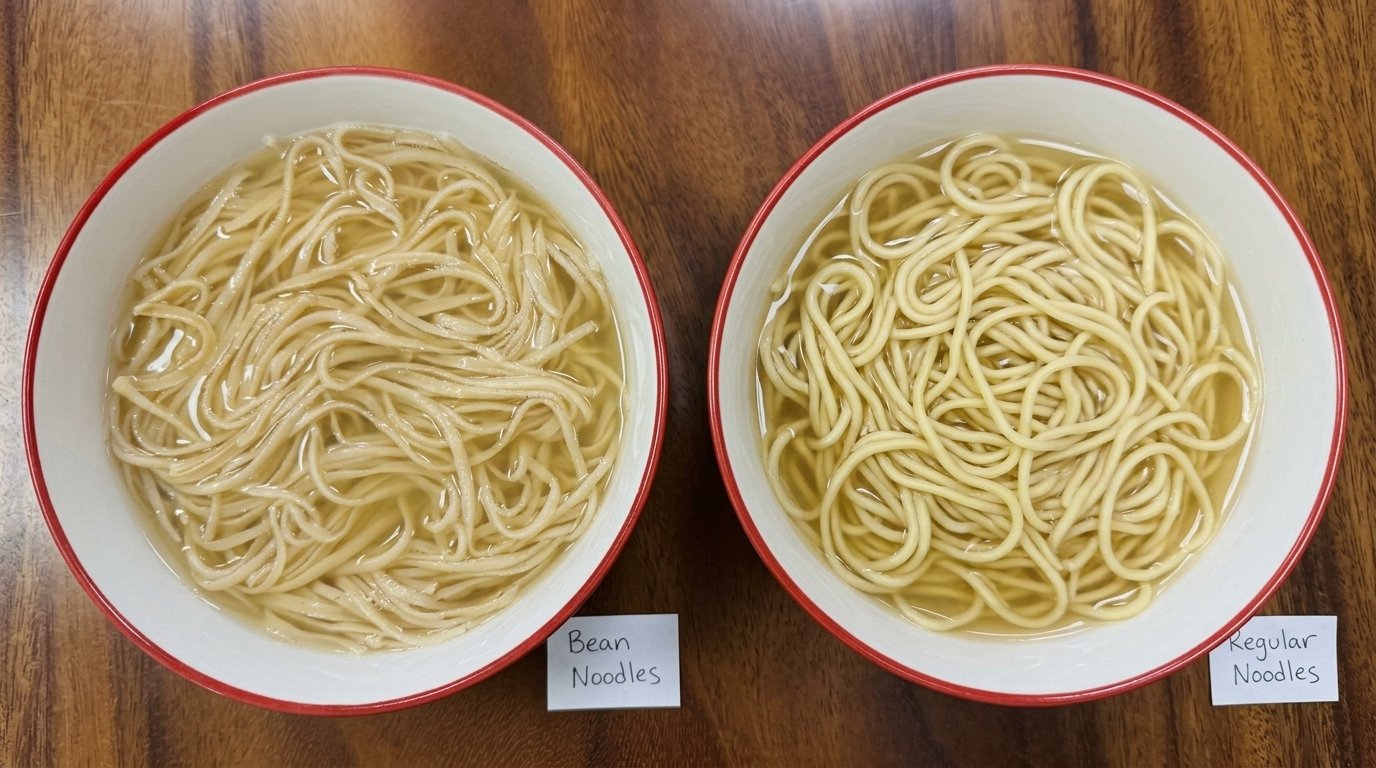
Shirataki noodles, also known as Miracle noodles or konjac noodles, are made from vegetables, the konjac plant. They are similar to angel hair pasta or thin rice noodles in taste and texture to zucchini noodles or other spiralized veggie noodles. The Konjac plant, an Asian root vegetable sometimes known as elephant yam, is used to make shirataki noodles. They have long been a staple of Japanese cuisine, and the konjac plant has been used for thousands of years in Eastern traditional medicine. These Shirataki noodles absorb the flavors of the ingredients they are cooked with. They have a gelatinous consistency, a mild flavor, a slippery surface, and a somewhat rubbery texture.
Moreover, konjac fiber in shirataki noodles is the wonder of these miracle noodles. It is also referred to as konjac glucomannan or glucomannan fiber. Shirataki noodles are a nutritious noodle option for everyone, especially for people with diabetes. It will benefit your body’s overall health. Here are more health benefits of shirataki noodles you need to know.
SHIRATAKI NOODLES NUTRITIONAL FACTS
For a serving of 3.5 ounces (100 g):
Energy (kcal)
8.4
Energy (kJ)
35
Protein
0 g
Carbohydrate
0.2 g
Total Fat
0 g
Sodium
2.8 mg
Dietary Fibre
3.9 g
The water content of shirataki noodles is high. In actuality, they contain 3% glucomannan fiber and 97% water. Shirataki noodles have no net carbohydrates because of their high fiber content, which makes them particularly good for blood sugar levels.