How to Make Rice More Nutritious: 5 Simple Upgrades for Better Nutrition
Max
08/09/2026
Post Views 81
Facebook
Twitter
LinkedIn
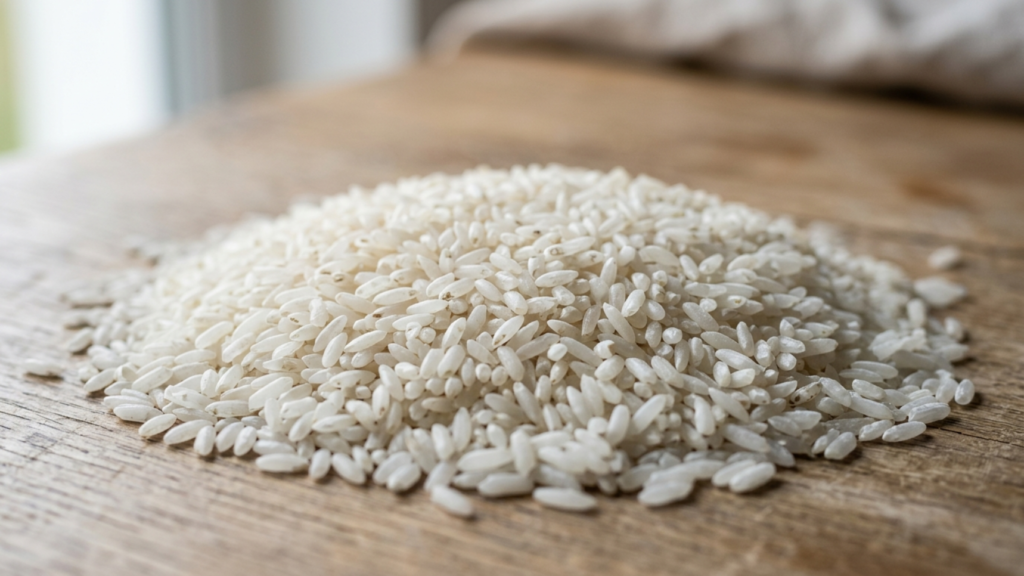
Rice is often the main source of energy in many people’s daily diets. While it provides carbohydrates that fuel the body, traditional white rice contains relatively little fiber and only modest amounts of other nutrients. If rice is a regular part of your meals, making a few simple changes can significantly improve its nutritional value without changing the foods you enjoy.
Here are five simple upgrades that can help transform ordinary rice into a more nutritious part of a balanced diet.
1. Add More Vegetables
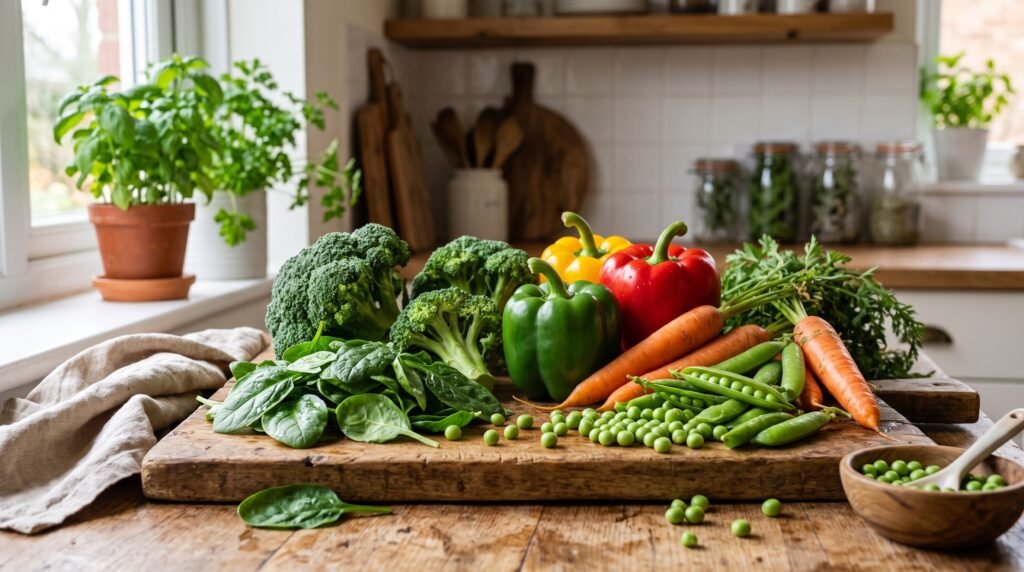
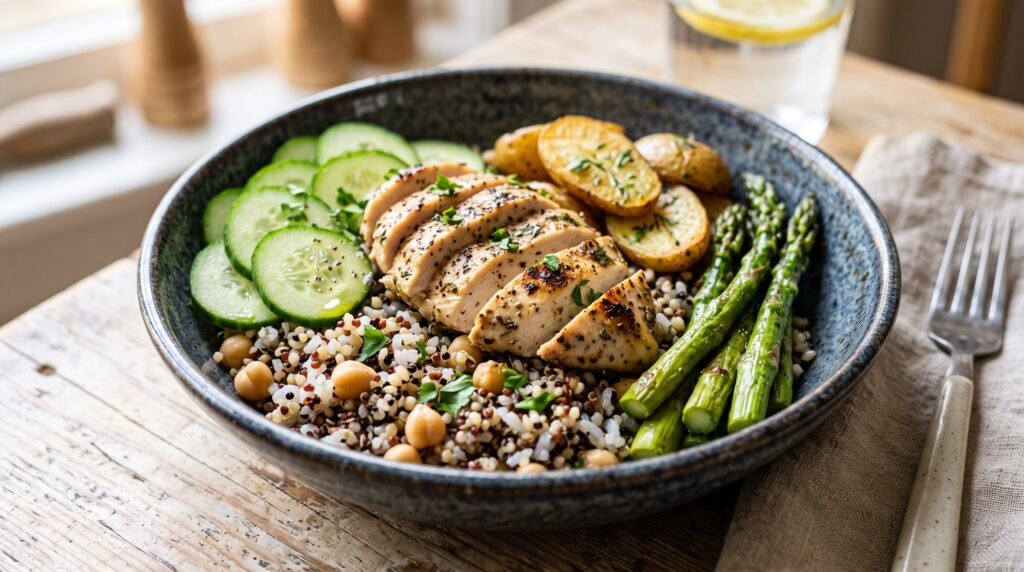
One of the easiest ways to improve the nutritional value of rice is by mixing in vegetables. Vegetables provide dietary fiber, vitamins, minerals, and antioxidants that support overall health.
Popular choices include broccoli, spinach, carrots, peas, and bell peppers. Adding colorful vegetables can increase nutrient density while making meals more flavorful and satisfying.
2. Mix Rice With Beans and Legumes
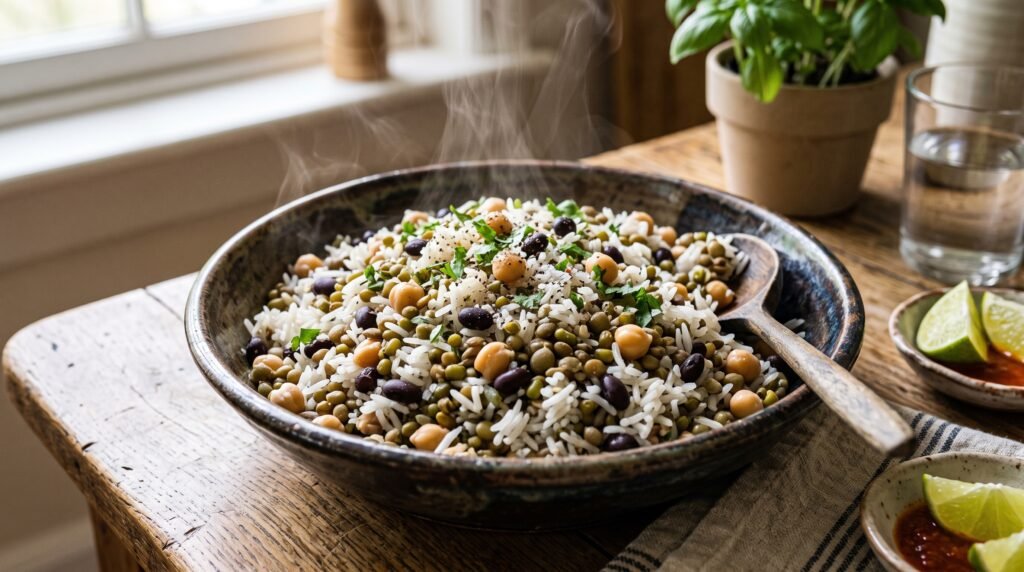
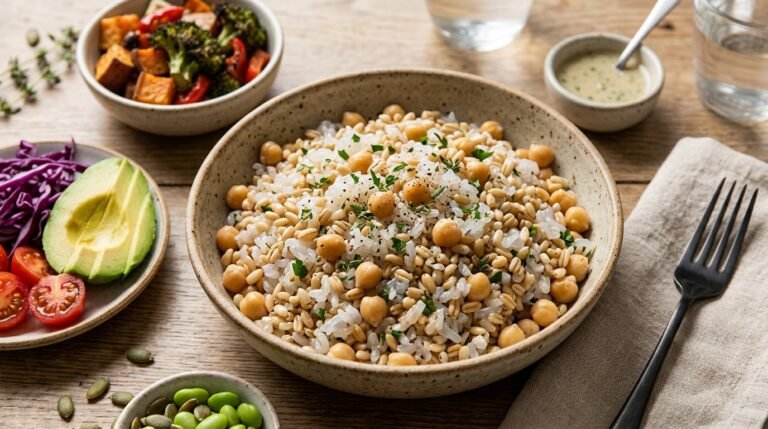
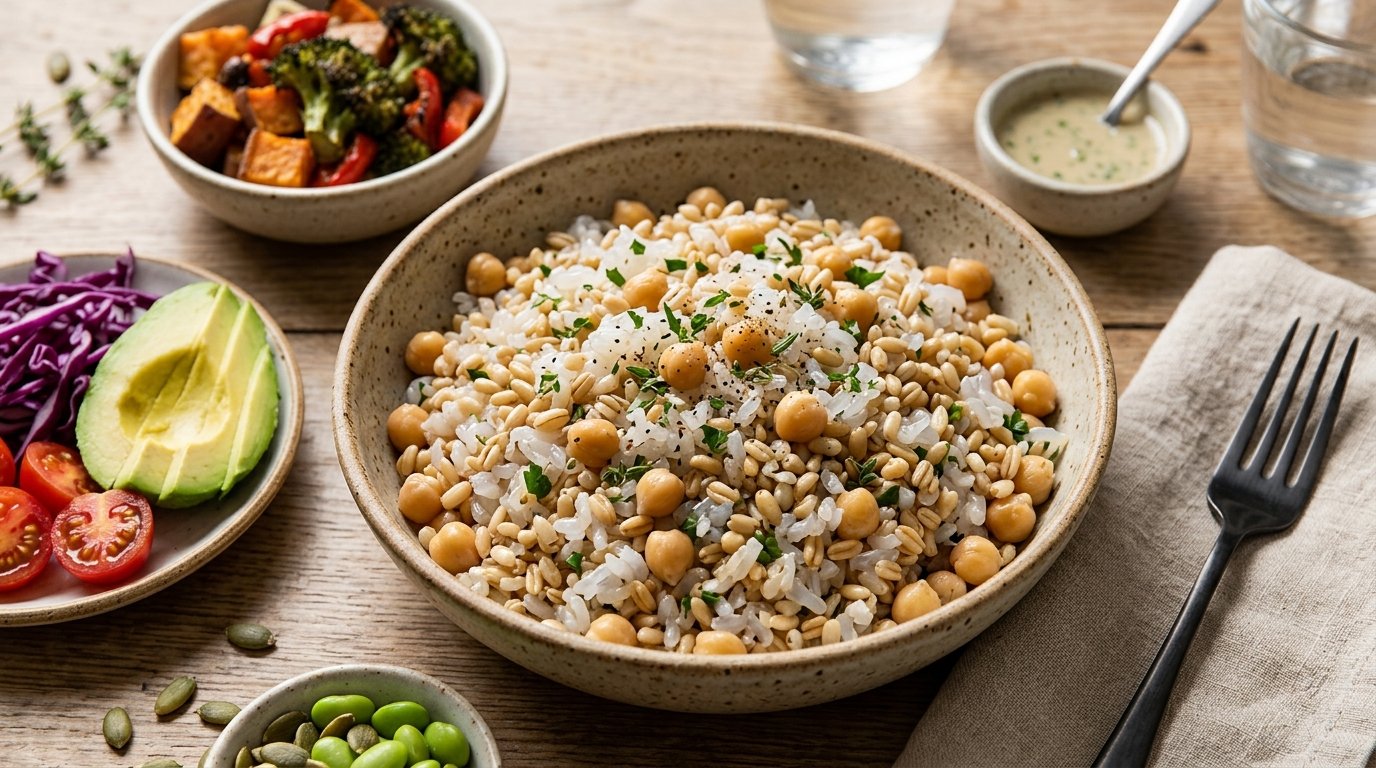
Beans and legumes are rich in plant-based protein and fiber, making them an excellent addition to rice dishes. Chickpeas, lentils, black beans, and mung beans can help create a more balanced meal while adding texture and flavor.
Combining rice with legumes is a simple way to increase both protein and fiber intake and help keep you feeling fuller for longer.
3. Include Nutrient-Dense Grains
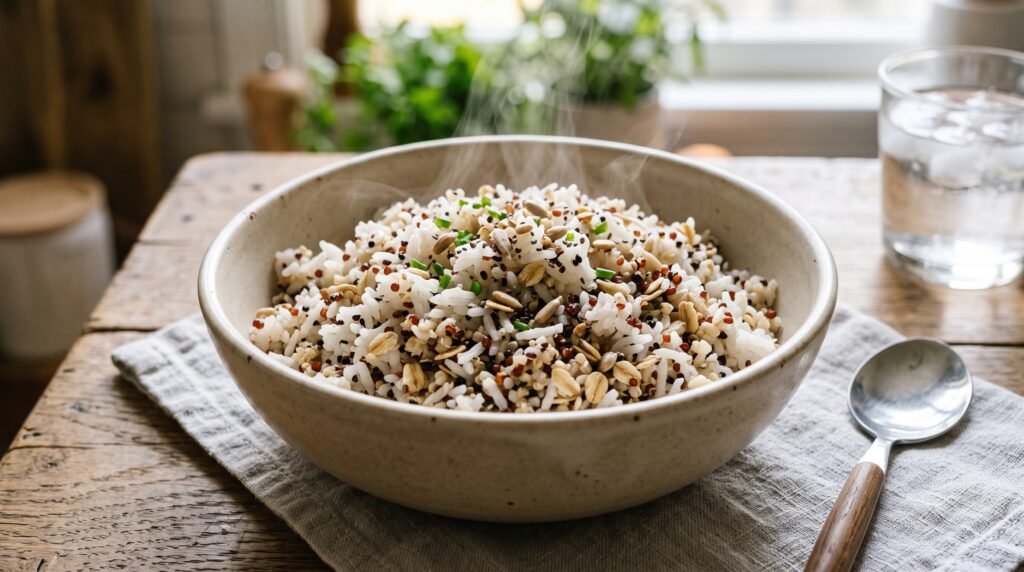
Whole grains such as quinoa and oats provide more nutrients than refined grains. They contain additional fiber, protein, and important micronutrients that can support a healthier diet.
Many people enjoy mixing quinoa or oats into rice to improve nutrition. However, preparing multiple grains separately often requires extra time for soaking, cooking, and portioning.
4. Mix Konjac Rice With Regular Rice
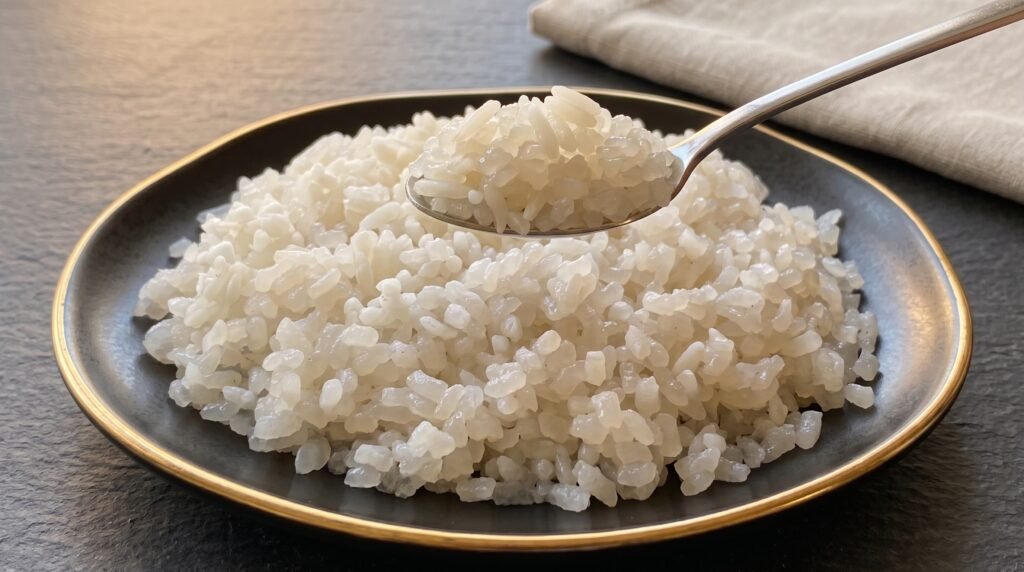
Another simple way to upgrade your rice is by replacing part of it with konjac rice. Made from the konjac plant, konjac rice is naturally low in carbohydrates and contains dietary fiber, making it a popular choice among health-conscious consumers.
Mixing konjac rice with regular rice allows you to enjoy a familiar texture while increasing fiber intake and reducing the overall carbohydrate content of your meal. It is an easy adjustment that can fit into many everyday recipes, from stir-fries to rice bowls.
5. Try Ready-to-Eat Konjac Rice Blends
For those looking for both convenience and nutrition, ready-to-eat konjac rice blends offer an easy solution.
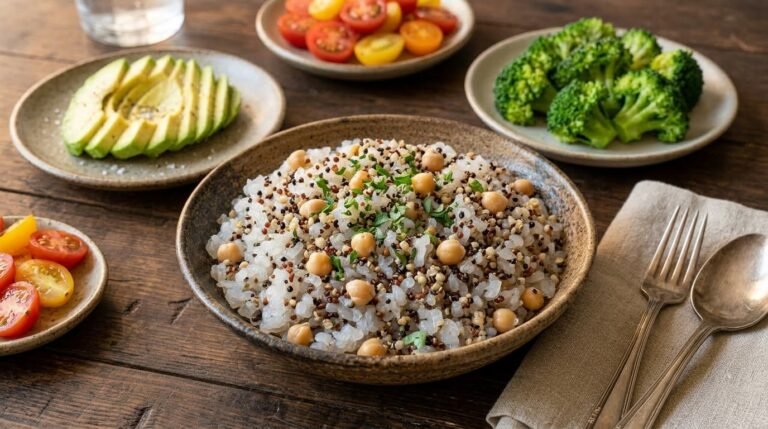
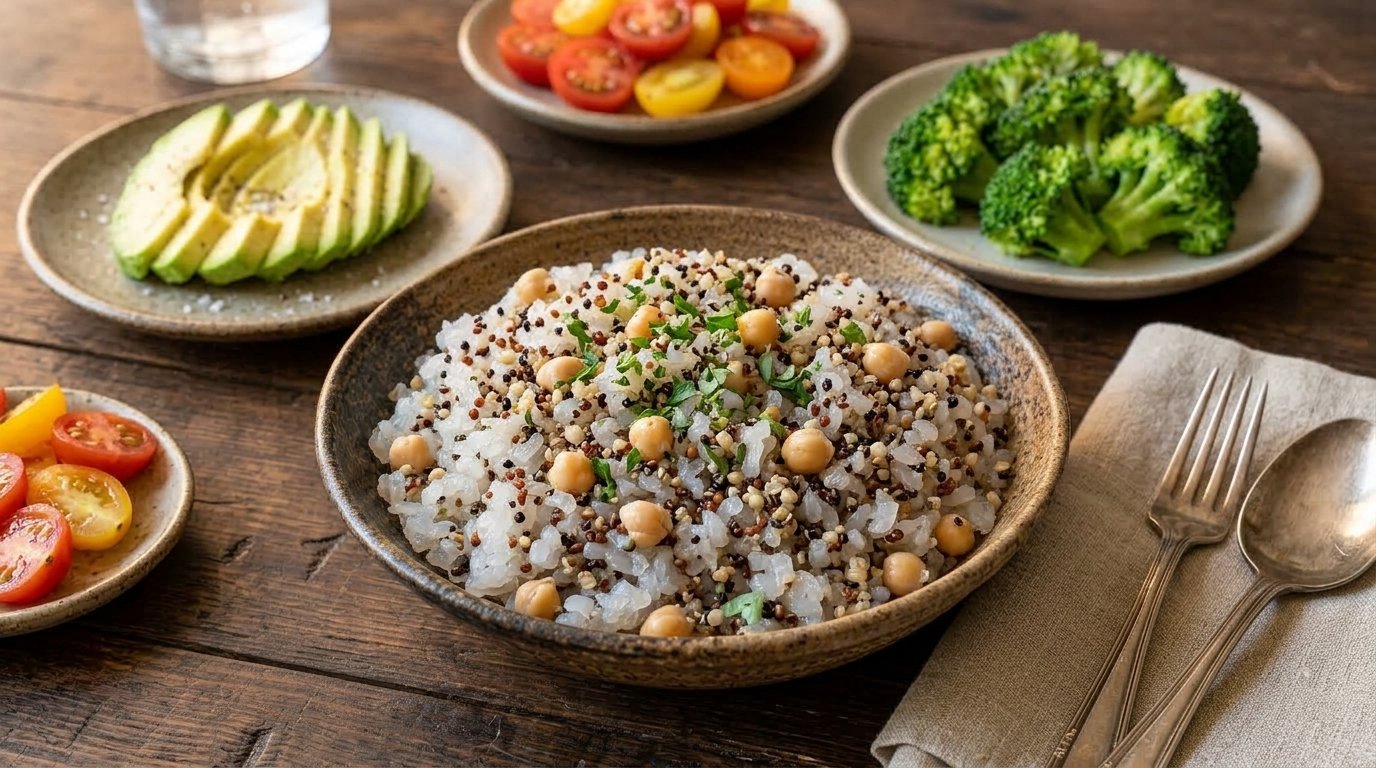
Unlike traditional rice, these products combine konjac rice with carefully selected ingredients such as quinoa, oats, chickpeas, and mung beans to create a more balanced meal option. The result is a rice alternative that provides more fiber and protein while containing significantly fewer carbohydrates than regular white rice.
At Love Konjac, our Ready-to-Eat Konjac Quinoa Rice and Ready-to-Eat Konjac Oat Rice are designed for busy consumers who want nutritious meals without lengthy preparation. Each serving provides over 9g of fiber, more than 4g of protein, approximately 70% fewer carbohydrates than regular rice, and contains no added sugar and very little fat.
Simply heat and enjoy as a side dish, grain bowl, or base for your favorite meals.
Final Thoughts
Making rice more nutritious does not require a complete diet overhaul. Simple changes such as adding vegetables, beans, whole grains, or konjac rice can help improve the nutritional profile of everyday meals. For those seeking a convenient option, ready-to-eat konjac rice blends make it easier to enjoy higher fiber, added protein, and fewer carbohydrates while still enjoying the versatility of rice.