Ramen Noodles vs. Instant Noodles: What’s the Difference?
Max
10/31/2026
Post Views 5
Facebook
Twitter
LinkedIn
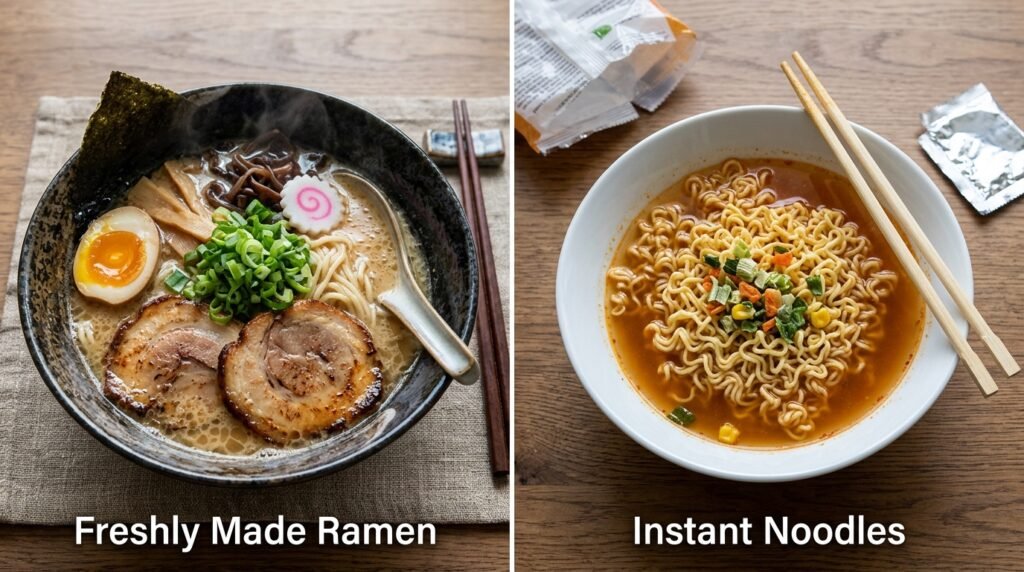
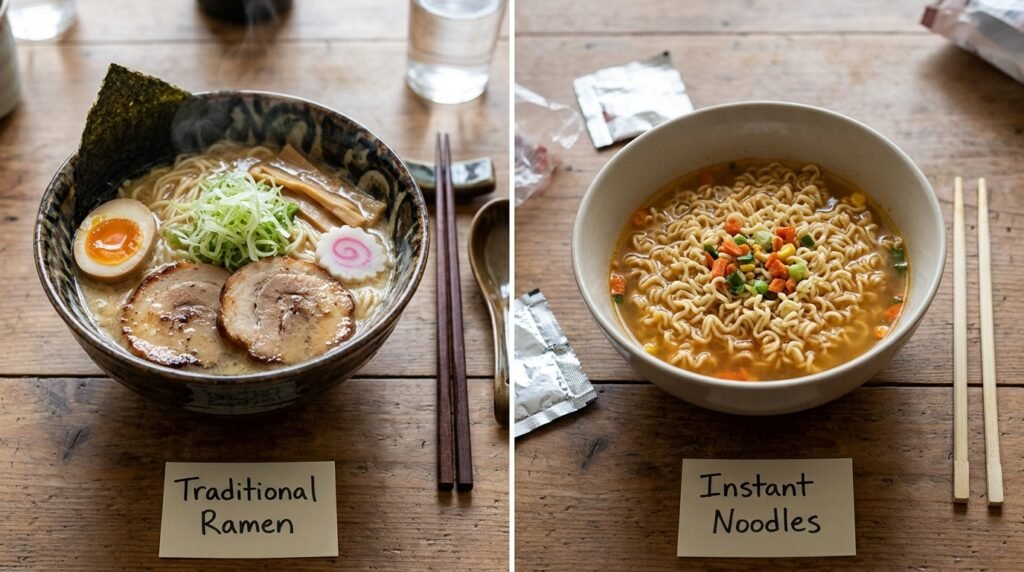
Ramen noodles and instant noodles are often mentioned together, but they are not exactly the same. Ramen generally refers to a style of noodle or a Japanese noodle dish, while instant noodles are a convenience-food category designed for quick preparation. Some ramen products are instant, but not all ramen noodles are instant noodles.
Understanding this difference also helps explain how the instant noodle category is developing. Today, manufacturers are exploring new ingredients and formulations to create convenient noodle products for different consumer preferences and food brands.
What Are Ramen Noodles?
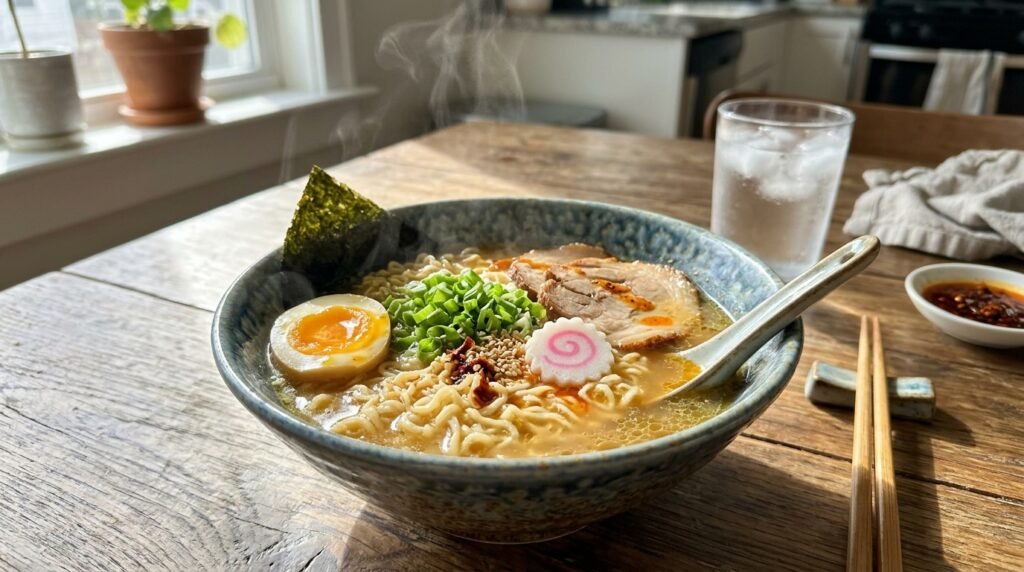
Ramen is commonly associated with Japanese-style noodles served in broth with toppings. Traditional ramen noodles are generally made with wheat flour, water, salt, and kansui, an alkaline ingredient that contributes to their characteristic texture and appearance.
Ramen noodles can be sold in different formats, including fresh, dried, frozen, and instant. In a restaurant, ramen is usually prepared by cooking the noodles and serving them with soup and other ingredients.
The word “ramen” therefore describes more than just a preparation method. It can refer to the noodle style, the dish, or the broader food tradition.
What Are Instant Noodles?
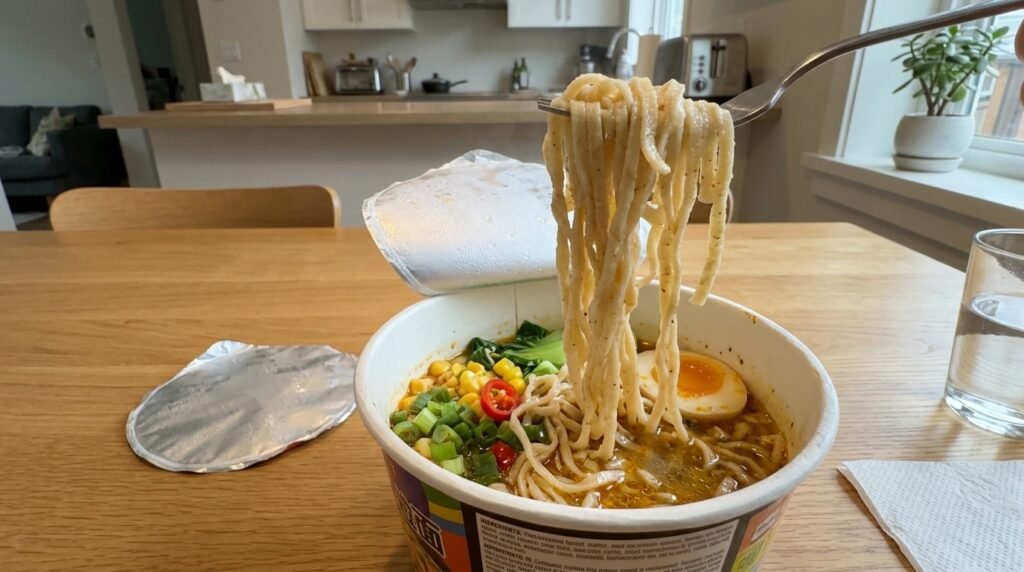
Instant noodles are designed to offer a quick and convenient meal solution. They are generally pre-cooked and dehydrated during processing, allowing consumers to prepare them by adding hot water or following the cooking instructions on the package.
Instant noodles are available in many formats, including fried and non-fried varieties. Depending on the product, they may be made with wheat flour, rice flour, starches, or other ingredient combinations.
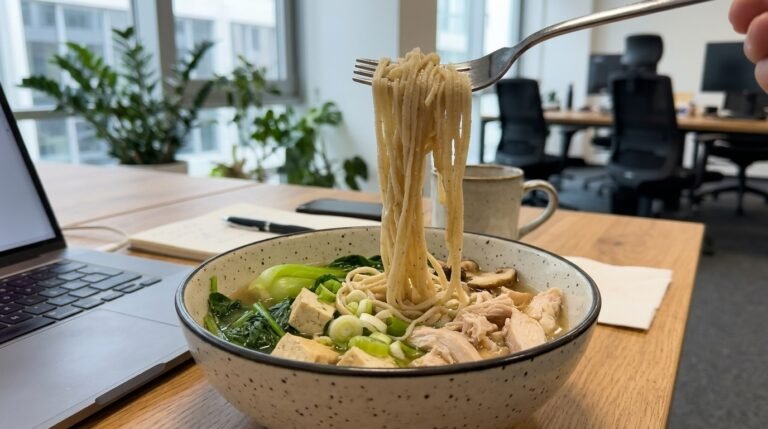
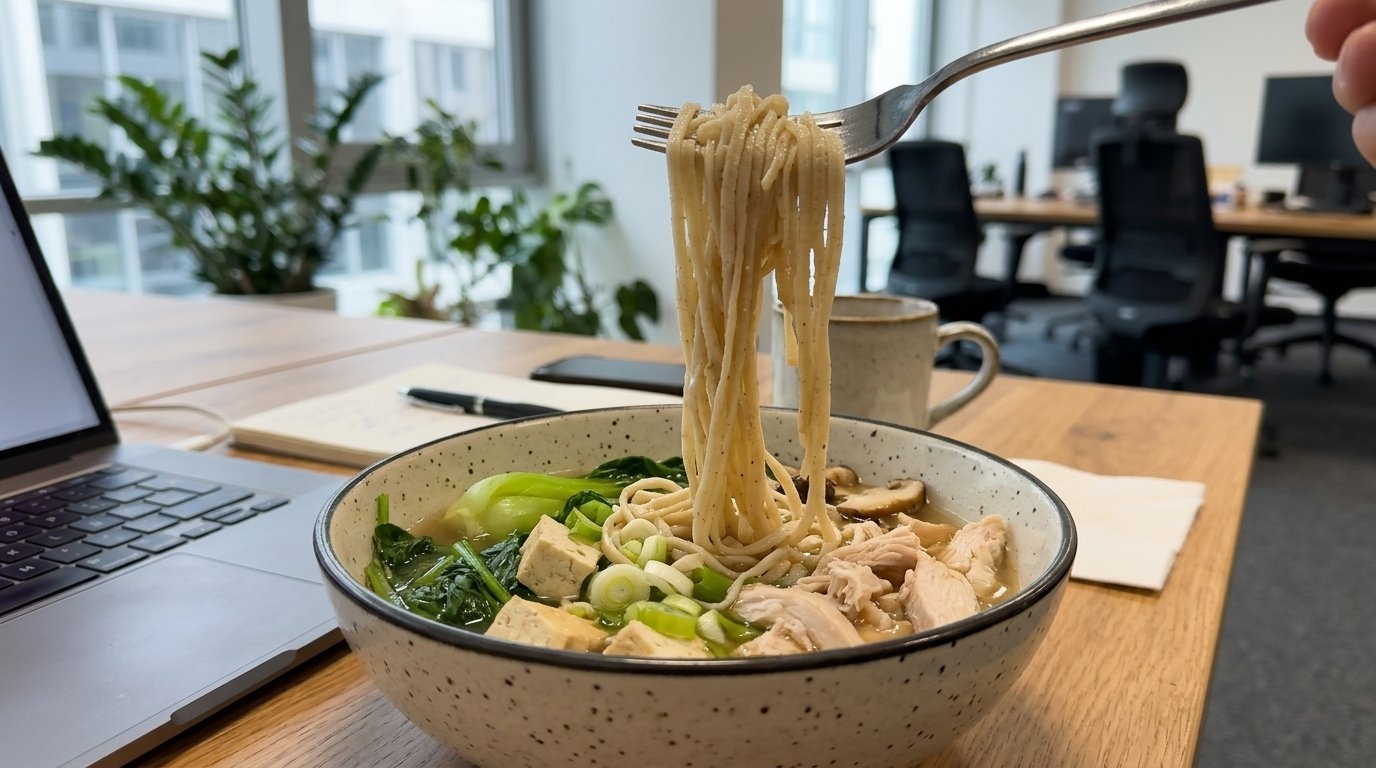
The main feature of instant noodles is their convenient preparation format. This makes them suitable for busy consumers, retail food products, office meals, and convenient meal solutions.
Ramen Noodles vs. Instant Noodles: Key Differences
Although the two terms overlap, they describe different aspects of a noodle product.
Feature
Ramen Noodles
Instant Noodles
Meaning
A noodle style or dish, commonly associated with Japanese cuisine
A convenience-food category
Typical ingredients
Traditionally wheat-based
May use different flour, starch, or ingredient bases
Available formats
Fresh, dried, frozen, or instant
Usually processed for quick preparation
Preparation
Often requires cooking
Designed for convenient, quick preparation
Relationship
Can be made into instant ramen
Includes instant ramen and other instant noodle formats
In simple terms, ramen describes a type or style of noodle, while instant describes how a noodle product is prepared and sold. Instant ramen is one example of instant noodles, but the instant noodle category also includes products that are not traditionally considered ramen.
Why Are Instant Noodles Evolving?
Convenience remains an important part of the instant noodle category, but product development is no longer limited to traditional formulations. Food manufacturers are exploring different ingredients, textures, and nutritional profiles to create products for a wider range of consumers and retail channels.
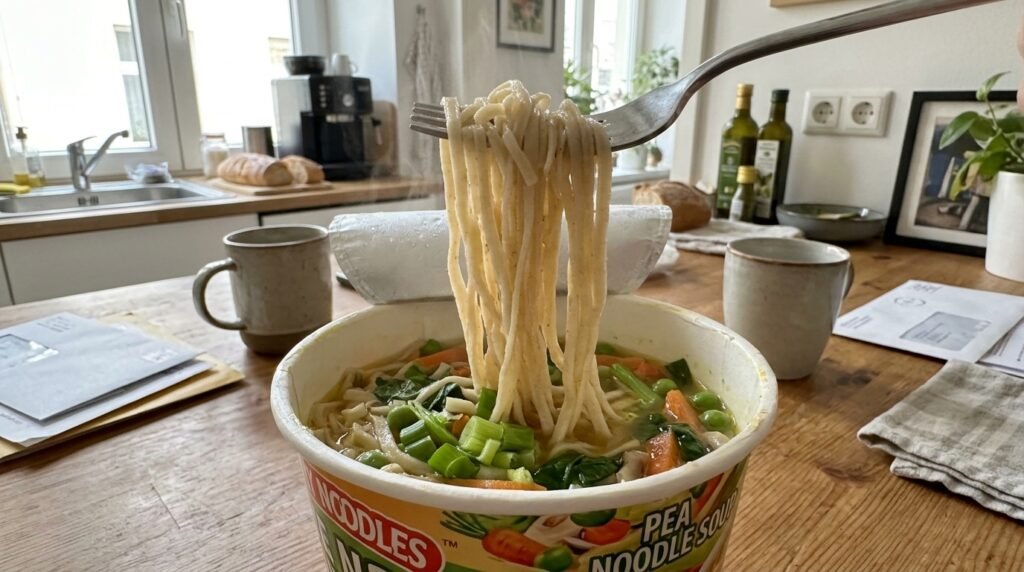
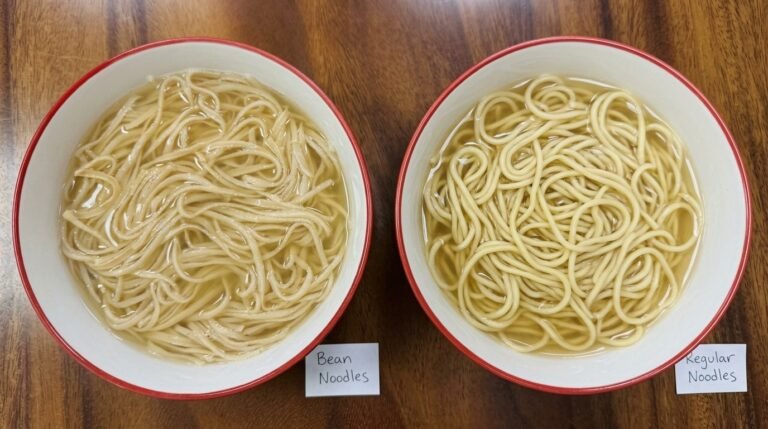
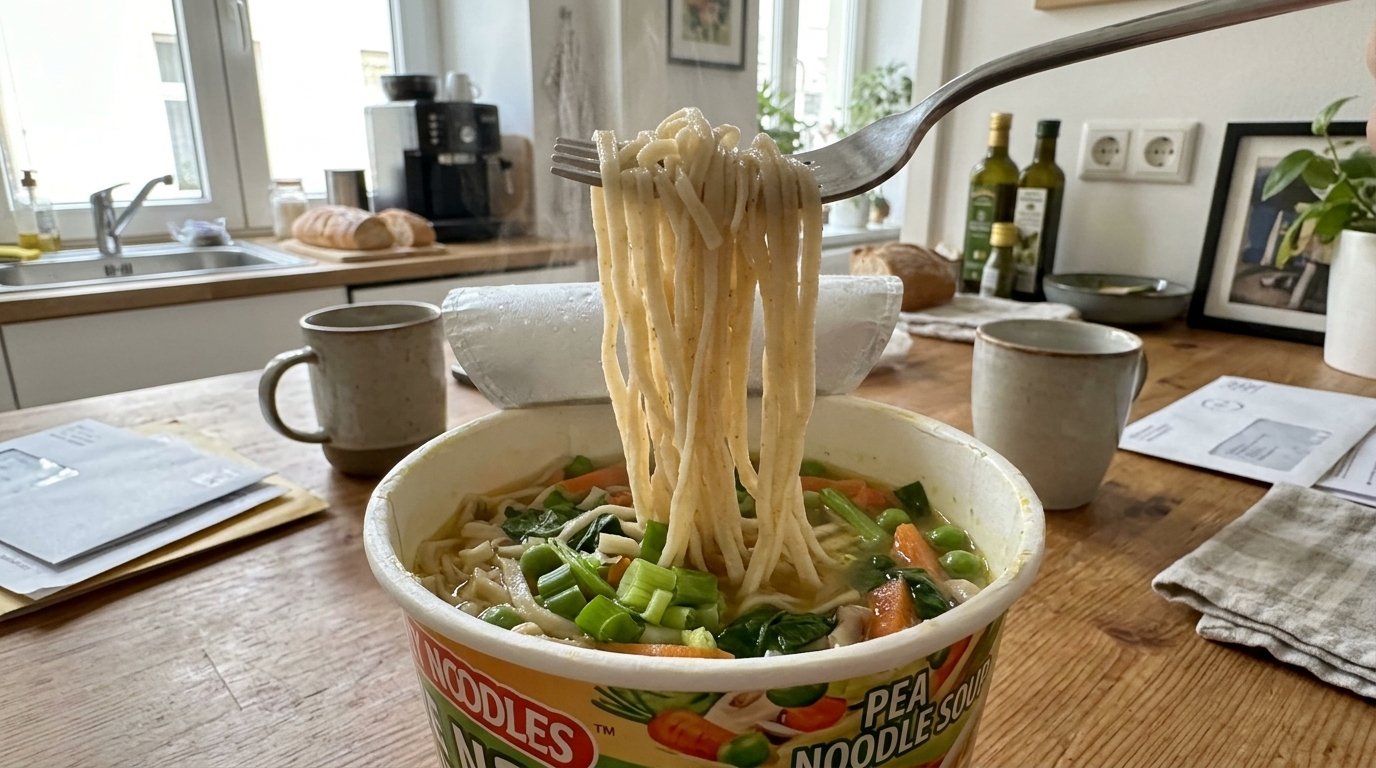
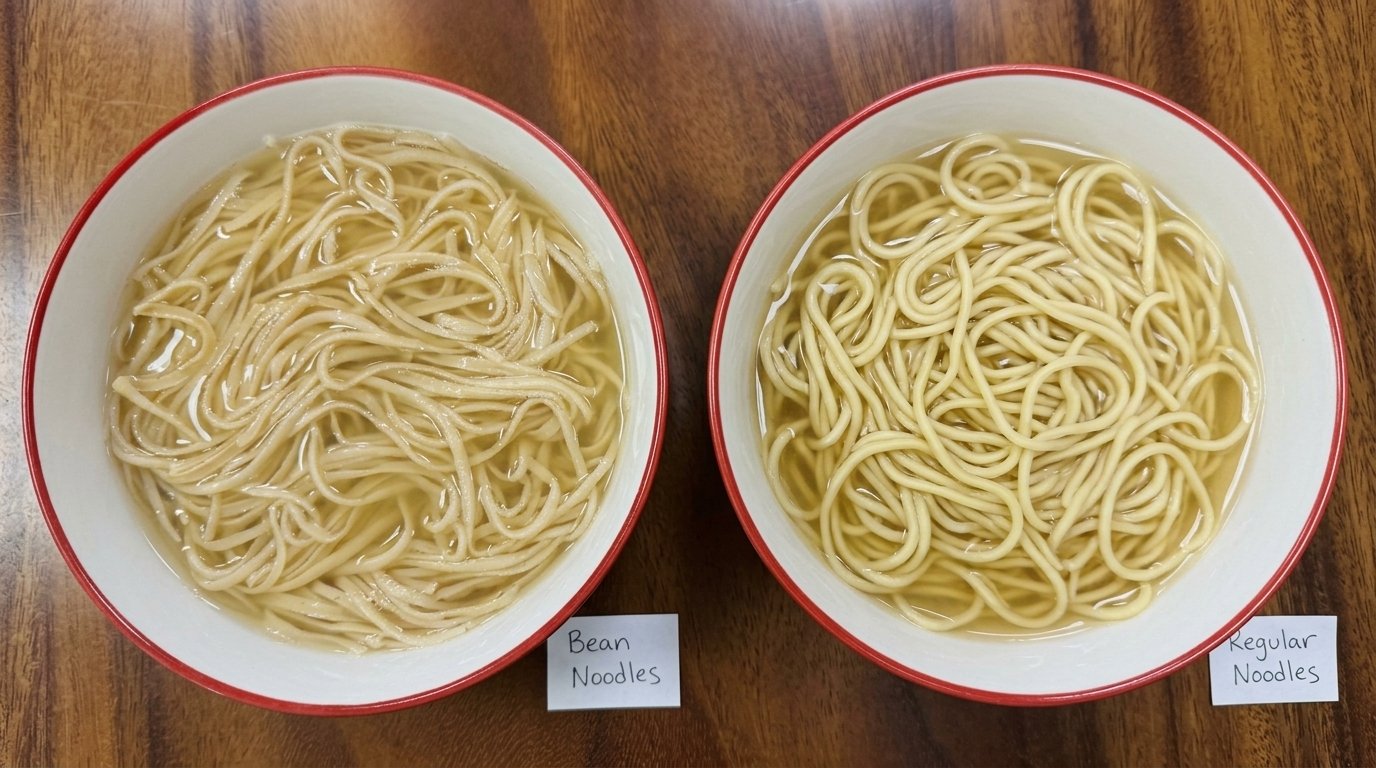
This includes the development of instant noodles using alternative ingredients such as soybean, konjac, legumes, and other plant-based components. These formulations can offer food brands new opportunities to develop products with a differentiated ingredient profile while retaining the convenience expected from an instant noodle.
For importers, wholesalers, and private-label food companies, this development creates more choices when building an instant noodle product line.
Introducing Instant Soybean Konjac Noodles
Ator Food, a konjac food manufacturer, has developed Instant Soybean Konjac Noodles as a new addition to the instant noodle category.
Combining soybean ingredients with konjac, this product is designed for brands seeking a convenient noodle format with a distinctive ingredient combination. It offers an alternative direction for product development beyond conventional instant noodle formulations.
Depending on the final formulation and applicable market requirements, instant soybean konjac noodles may be positioned for high-protein and high-fiber product concepts. These claims should always be confirmed against the product’s nutrition analysis and the labeling requirements of the target market.
The instant format also makes the product suitable for convenient meal solutions, health-food product lines, and modern retail concepts. For brands looking to introduce a differentiated instant noodle product, soybean and konjac provide an opportunity to explore a new combination of ingredients and product positioning.
Why Consider Soybean Konjac Noodles for Your Product Line?
For food brands and distributors, instant soybean konjac noodles can offer several product development opportunities:
Ingredient differentiation: A soybean and konjac-based formulation provides an alternative to conventional wheat-based instant noodle concepts.
Nutritional positioning: Depending on the final formula, the product may support high-protein or high-fiber positioning when the relevant requirements are met.
Convenient preparation: The instant format is suitable for consumers seeking quick and practical meal options.
Product line expansion: The concept can complement existing instant noodle, health-food, and plant-based product ranges.
Private-label potential: Brands can explore customized packaging and product development options according to their market needs.
As a manufacturer specializing in konjac food products, Ator Food supports the development of differentiated konjac-based food concepts for international markets.