
Instant rice bowls

Instant rice bowls Max 03/13/2025 Facebook Twitter LinkedIn In today’s fast-paced lifestyle, more and more people are opting for healthy and convenient meal options. Instant rice bowls cater to this demand by offering a quick, nutritious, and flavorful solution. In this article, we will explore the origins, types, health aspects, benefits, and ideal consumers of […]
Keto Rice Substitute: Exploring Low Carb Options for Rice Lovers

Keto Rice Substitute: Exploring Low Carb Options for Rice Lovers Max 01/20/2025 Facebook Twitter LinkedIn If you’re following a ketogenic or low-carb diet, finding a delicious alternative to satisfy your rice cravings can be challenging. Traditional rice, while a staple in many cuisines, is packed with carbohydrates, making it unsuitable for keto enthusiasts. White rice, […]
How To Get Fiber On Keto
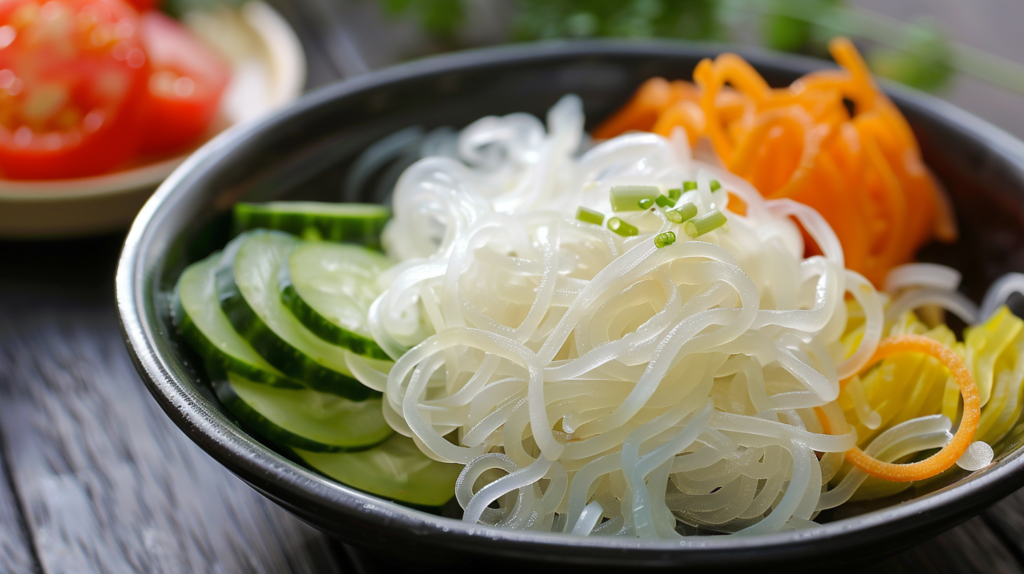
How To Get Fiber On Keto Max 08/07/2024 Facebook Twitter LinkedIn The ketogenic diet, renowned for its low-carb, high-fat approach, often neglects an essential component: dietary fiber. Without adequate fiber, individuals on keto may experience digestive issues like constipation, bloating, and discomfort. Additionally, a lack of fiber can impact overall health, leading to increased hunger, […]
Konjac and Sport: A Winning Combination
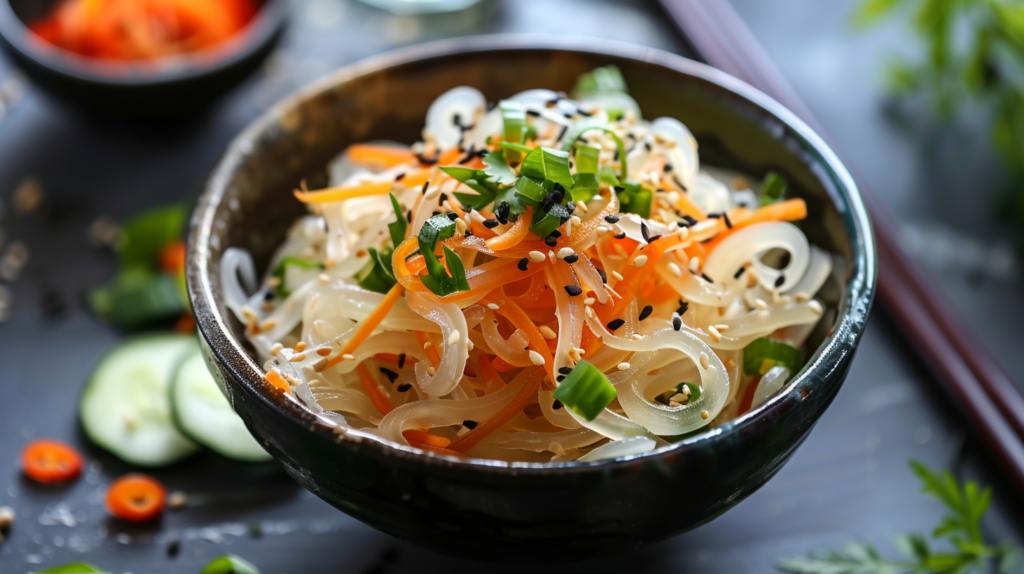
Konjac and Sport: A Winning Combination Elaine 08/06/2024 Facebook Twitter LinkedIn Athletes know it: if exercise allows the muscle to gain volume, a period of “drying” is necessary to make them appear proud. This phase, which can vary in duration, this parenthesis requires a special diet to melt the adipose tissue without losing muscle mass. […]
Why Are There Black Spots/Dots in My Konjac?
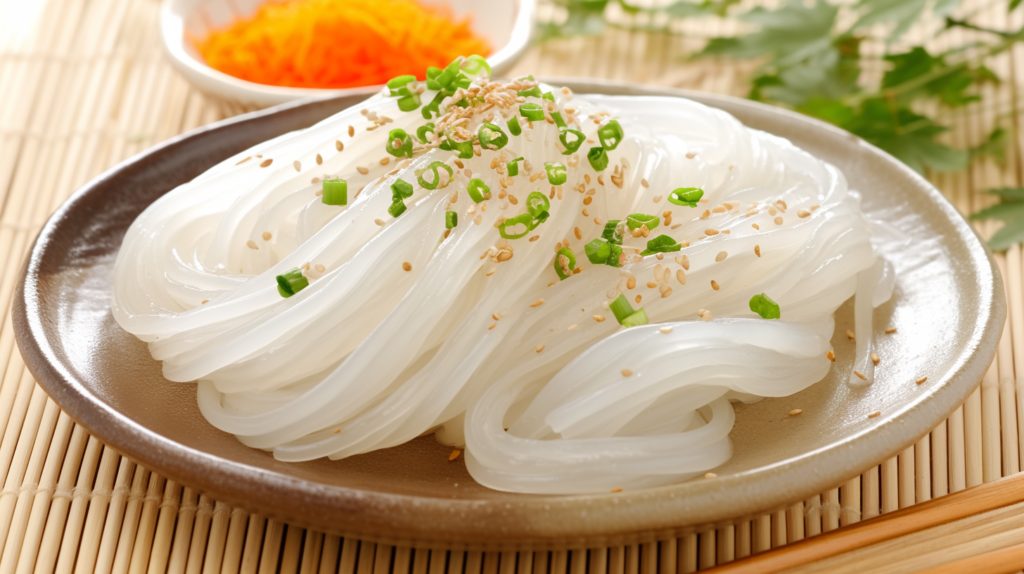
Why Are There Black Spots/Dots in My Konjac? Elaine 07/31/2024 Facebook Twitter LinkedIn If you’ve noticed black or brown spots in your konjac, you might be wondering about their origin and whether they indicate a problem. Rest assured, these spots are a natural occurrence and do not affect the quality or safety of your Konjac […]
Can Kids eat Konjac Product?
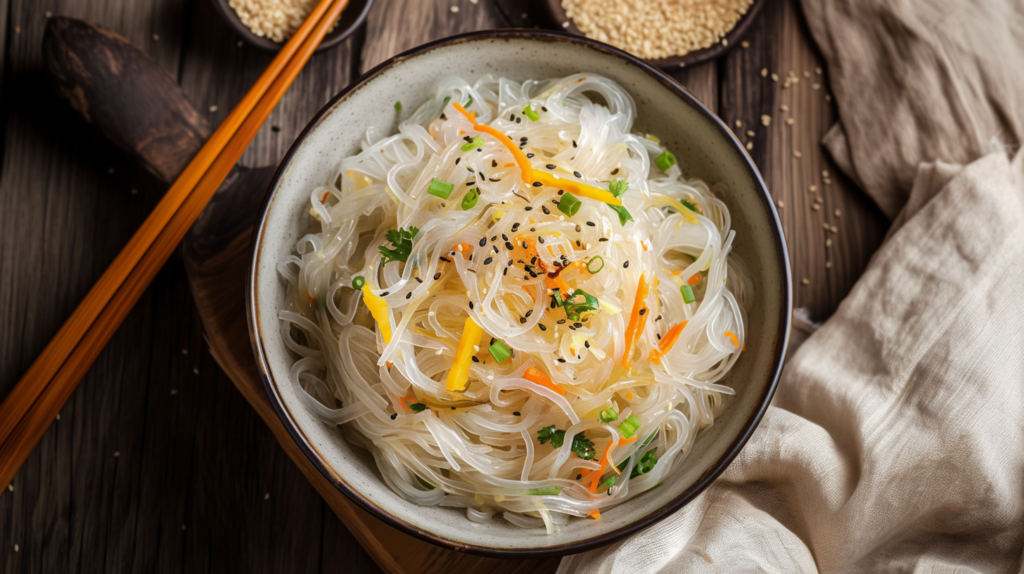
Can Kids eat Konjac Product? Max 07/30/2024 Facebook Twitter LinkedIn Konjac is beloved by the Japanese, consumed almost every meal in every household, and remains one of the most popular delicacies in Japan. Even now, it’s a staple in Japanese cuisine, and the Ministry of Health, Labour and Welfare in Japan has explicitly stated that […]
Healthy Instant Noodles Alternative
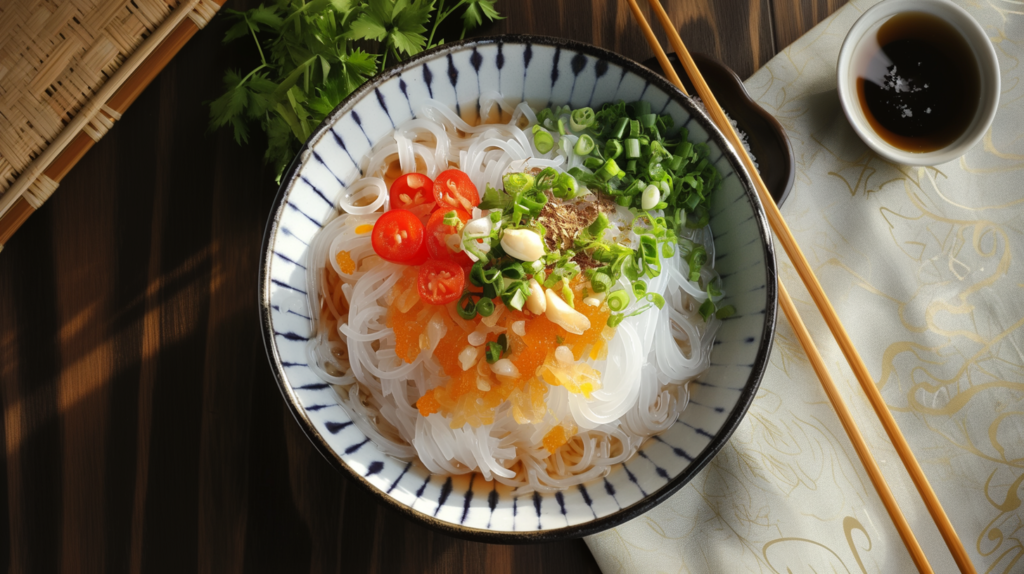
Healthy Instant Noodles Alternative Elaine 07/30/2024 Facebook Twitter LinkedIn Instant Noodles have long been a favorite worldwide. Well, who could deny the convenience and the taste they bring to the table? The impact of these little bowls can be ascertained by the global market for Instant Noodles which was estimated at USD 31.1 Billion in […]
What Is Celiac Disease?

What Is Celiac Disease? Elaine 07/17/2024 Facebook Twitter LinkedIn Coeliac disease (British English) or celiac disease (American English) is a serious autoimmune disease that occurs in genetically predisposed people where the ingestion of gluten leads to damage in the small intestine. It is estimated to affect 1 in 100 people worldwide, but only about 30% are properly diagnosed. When […]
What is dry shirataki rice?
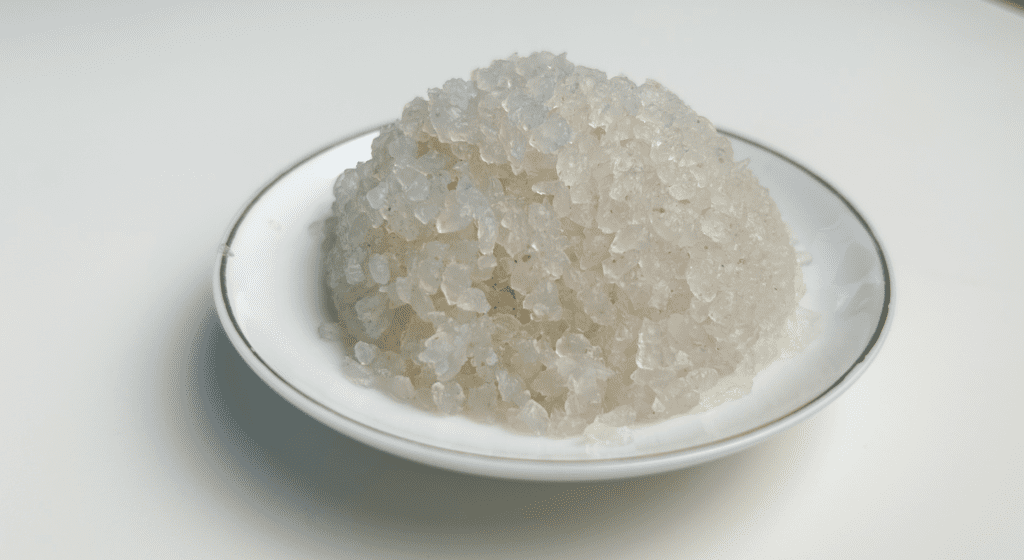
What is dry shirataki rice? Elaine 05/07/2024 Facebook Twitter LinkedIn Dry shirataki Rice or Konjac is a traditional Japanese food made primarily from konjac flour also known as shirataki. This product also has added ingredients like tapioca starch to make the traditional wet shirataki more palatable and similar to the taste and texture of real […]
How To Cook Konjac Rice?
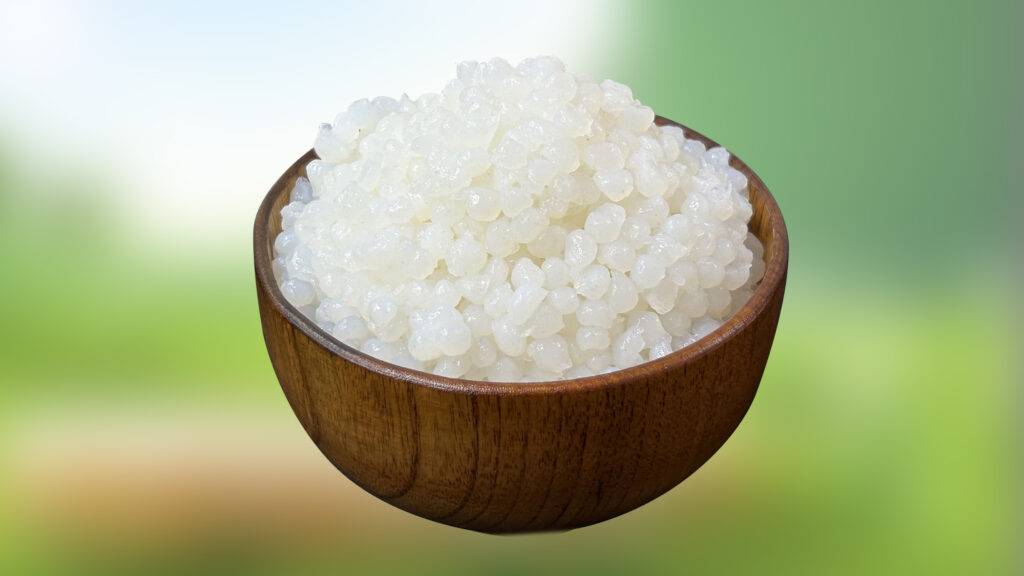
How To Cook Konjac Rice? Max 05/06/2024 Facebook Twitter LinkedIn When it comes to staples, rice is a well-known choice, especially in Southeast Asia. But what if I told you there’s a food even healthier than rice, suitable for various dietary needs including diabetes, keto, gluten-free, and weight loss? Would you be interested? Enter konjac […]
Konjac Noodles Low Fodmap
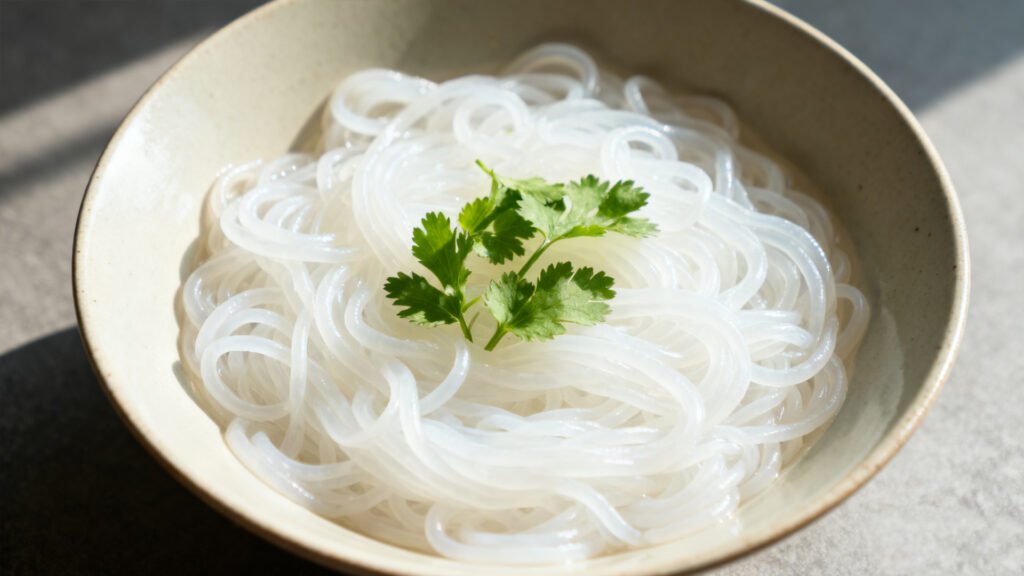
FODMAP stands for Fermentable Oligosaccharides, Disaccharides, Monosaccharides and Polyols, which are short-chain carbohydrates (sugars) that are poorly absorbed by the small intestine. The FODMAP diet is a recommended treatment for people with gastrointestinal problems such as irritable bowel syndrome, bloating and abdominal discomfort. It involves avoiding foods high in fermentable carbohydrates, which can trigger GI symptoms in sensitive people. By reducing the intake of FODMAPs, patients can often find relief from their symptoms and improve their overall quality of life.