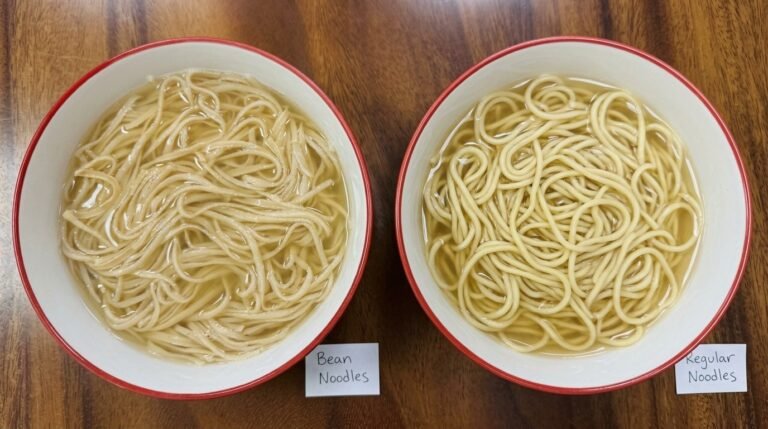
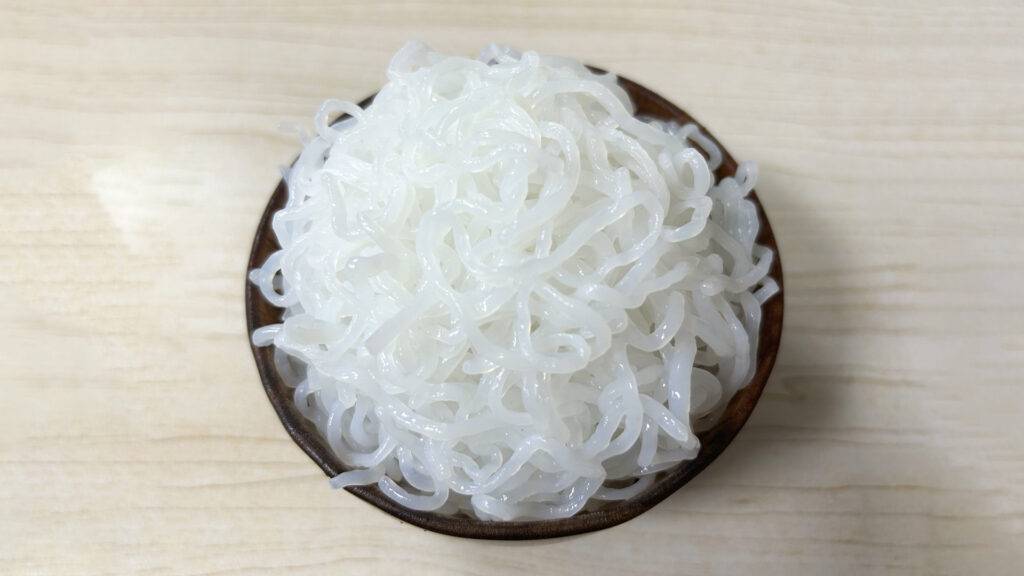
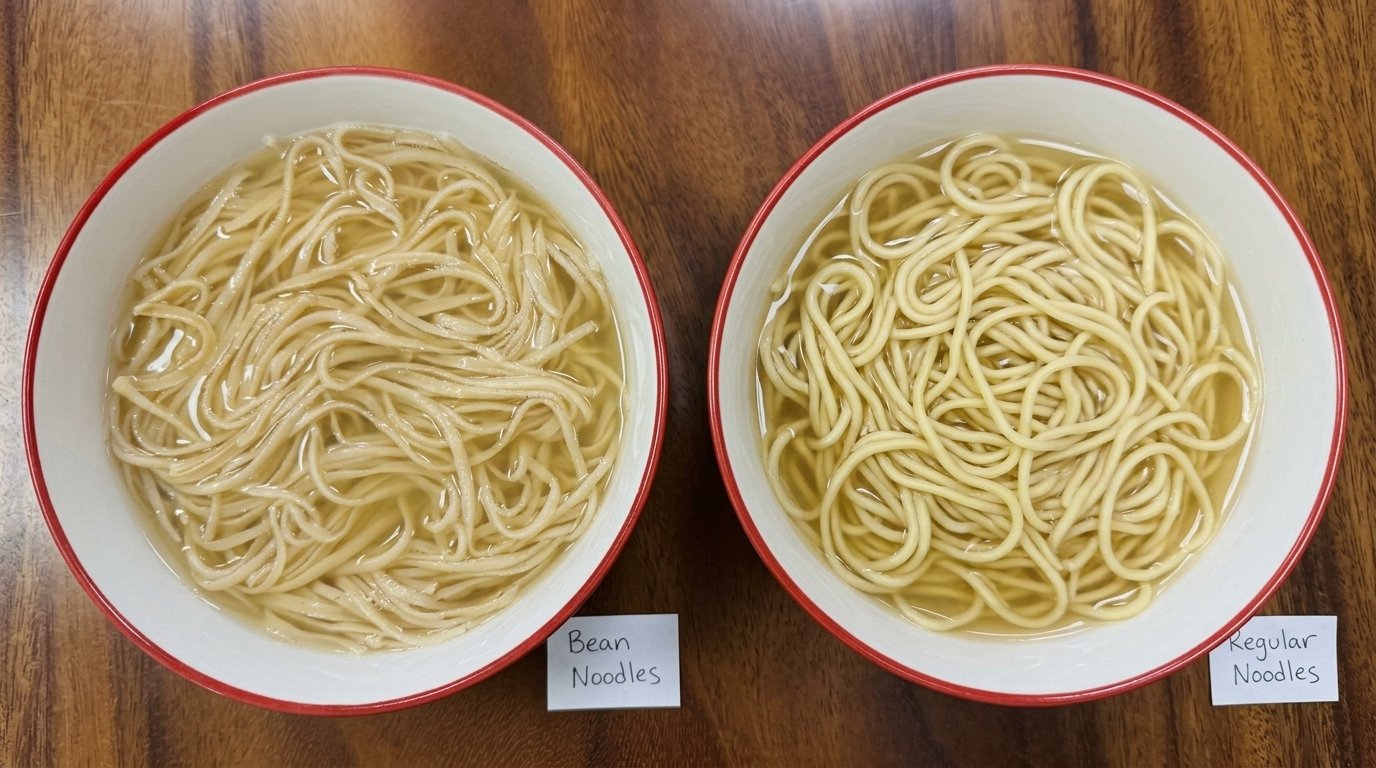
Konjac noodles, also known as shirataki or miracle noodles, are a low-calorie, low-carbohydrate alternative made from the konjac plant. However, many people find that Konjac noodles have a unique texture described as “rubbery.” Why do Konjac noodles exhibit this distinctive texture?
Firstly, konjac itself is a tuberous plant primarily grown in subtropical regions. Its main component is glucomannan, a water-soluble fiber. In the production of Konjac noodles, manufacturers typically extract glucomannan from the Konjac plant and process it into noodle shapes. This glucomannan has excellent water-absorbing properties, allowing Konjac noodles to absorb a significant amount of water during the cooking process, increasing their volume and creating a rubbery texture.
Secondly, Konjac noodles contain an enzyme called glucomannanase. This enzyme influences the structure of glucomannan, causing it to undergo changes during heating and forming a texture similar to traditional noodles. This is why Konjac noodles become chewier when cooked.
How do you make Konjac less rubbery?
There are various methods to improve the texture of konjac noodles, and with a few culinary tricks, you can make this food more delicious and satisfying. Here are some suggestions to help enhance the texture of konjac noodles:
Blanch: Boil the Shirataki noodles in a pot of water for 1-2 minutes before using them in a recipe. This brief cooking process can help soften the texture and improve the overall mouthfeel.
Vinegar: Add a spoonful of vinegar to the noodles and let them soak for 1-2 minutes before rinsing again. This can also help soften the texture.
Marinate in a tomato-based sauce: Marinate the noodles in a tomato-based sauce for a few minutes. This can give them a more pasta-like consistency.
Dry fry or stir-fry: After rinsing and parboiling, you can dry fry or stir-fry the Shirataki noodles in a non-stick pan for a few minutes. This technique removes excess moisture and enhances the texture, giving the noodles a more noodle-like consistency.
Broths and Stocks: Using flavorful broths or stocks as a base for shirataki noodle soups can enhance the overall taste and texture. The noodles will absorb the delicious flavors, resulting in a more satisfying eating experience.
Mix with other ingredients: Konjac noodles have a neutral taste, making them versatile for various cuisines. However, their rubbery texture might be more noticeable when consumed plain. Incorporating flavorful sauces, herbs, and spices can distract the palate from the texture, enhancing the overall dining experience.
Health Benefits of Shirataki Noodles
Shirataki noodles are often used as a substitute in pasta dishes because of their health benefits. Here are some of the key health benefits: