Contact Us through info@lovekonjac.com
When choosing noodles, many people look beyond taste and convenience. They are also paying closer attention to protein, carbohydrates, fiber, and overall nutrition.
This has made high protein noodles increasingly popular among consumers looking for more nutritious alternatives to traditional noodles.
But what exactly are high protein noodles? Are they healthier than regular noodles?
In this guide, we’ll explain what high protein noodles are, how they compare with traditional noodles, and why soybean-based konjac noodles are an interesting option for modern, protein-focused diets.
High protein noodles are noodles formulated to provide significantly more protein than conventional wheat-based or starch-based noodles.
Traditional noodles are generally made from ingredients such as wheat flour, rice flour, or other starches. Depending on the formulation, they can provide carbohydrates as their main macronutrient while containing a relatively moderate amount of protein.
High protein noodles take a different approach.
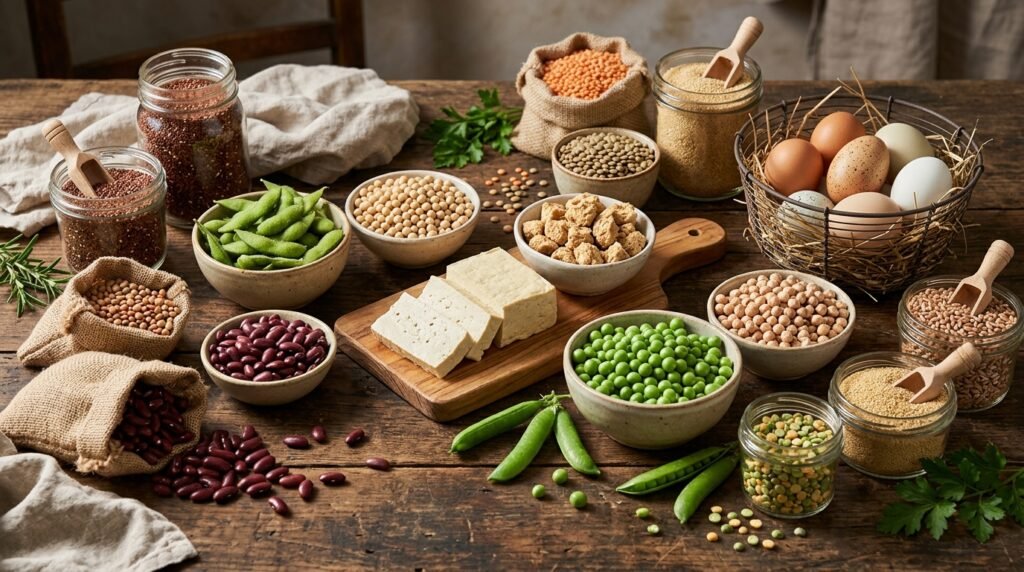
They may use ingredients such as:
The exact nutritional profile depends on the formulation, serving size, and ingredients used.
For consumers who want to increase their protein intake while still enjoying noodles, high protein noodles can be a convenient option.
Protein has become an important consideration for many consumers when choosing everyday foods.
Instead of simply asking:
“How many calories are in this product?”
Consumers are increasingly asking:
This is especially relevant for people with busy lifestyles who want convenient meals without relying entirely on traditional instant noodles.
As a result, products that combine high protein, convenient preparation, and better-balanced nutrition are attracting increasing attention.
There is no single definition of a “healthy noodle.”
A better way to evaluate noodles is to look at the whole nutritional profile and ingredient list, rather than focusing on protein alone.
When comparing high protein noodles, consider:
Protein is one of the most important factors when choosing a high protein noodle.
Check the nutrition information to understand how much protein the product provides per 100g and per serving.
A product marketed as “high protein” should be evaluated based on its actual nutrition facts rather than the name alone.
Protein is only one part of the nutritional picture.
Some consumers specifically look for noodles that are both high in protein and lower in carbohydrates.
This is one reason alternative noodle ingredients such as soybean and konjac are attracting attention.
Fiber is another useful factor to consider when comparing noodle products.
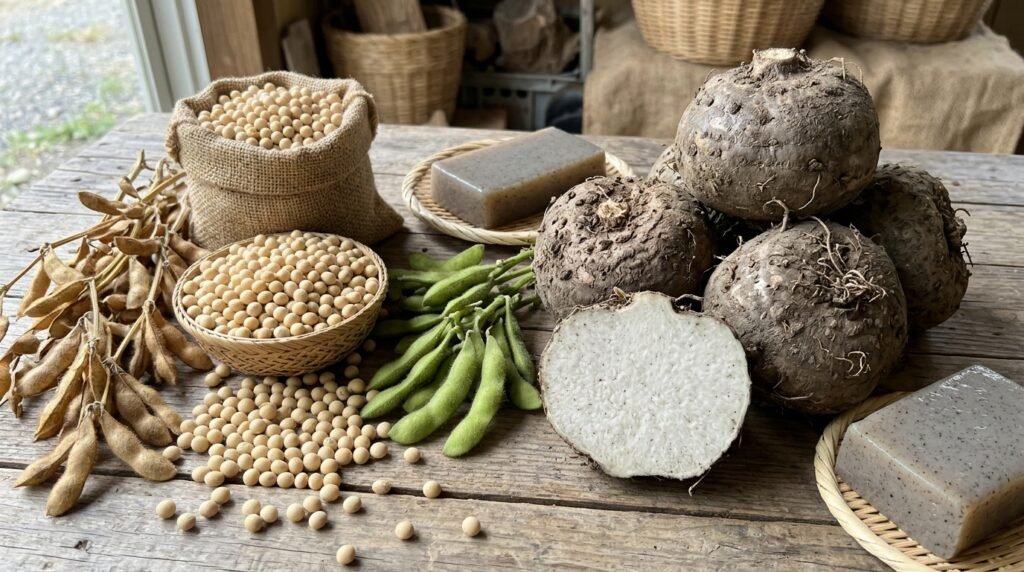
Konjac is naturally rich in glucomannan, a type of dietary fiber. When konjac is combined with protein-rich ingredients, it can create a noodle with a different nutritional profile from conventional wheat noodles.
A shorter and easier-to-understand ingredient list can be attractive to consumers who prefer simple food formulations.
When choosing noodles, check the ingredients, nutrition information, seasoning ingredients, and any applicable dietary or allergen information.
For many consumers, nutrition is important—but convenience matters too.
A noodle product that takes only a few minutes to prepare may be easier to incorporate into a busy lifestyle than meals requiring extensive preparation.
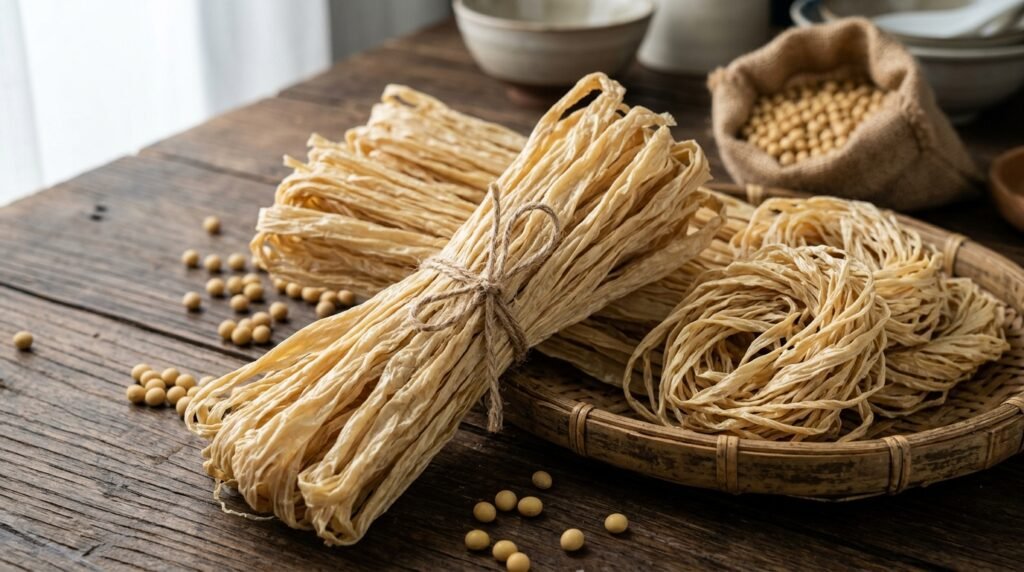
One interesting category of high protein noodles is soybean noodles.
Soybeans are naturally rich in plant-based protein, making them a useful ingredient for developing protein-focused noodle products.
Compared with conventional noodles, soybean-based noodles can provide a substantially different nutritional profile, particularly when the formulation is designed to prioritize protein.
Soybean noodles can be made in different formats, including:
This gives food manufacturers and consumers more choices when looking for plant-based protein noodle options.
Soybean konjac instant noodles combine two very different ingredients with complementary characteristics.
Soybean provides the protein-focused foundation, while konjac contributes dietary fiber and helps create the characteristic noodle texture.
This combination makes soybean konjac instant noodles particularly interesting for consumers who are looking for a noodle product that combines:
Plant-based protein + dietary fiber + noodle convenience
Rather than being a traditional wheat noodle with a small amount of added protein, a soybean-based formulation can make protein a much more significant part of the product’s nutritional profile.
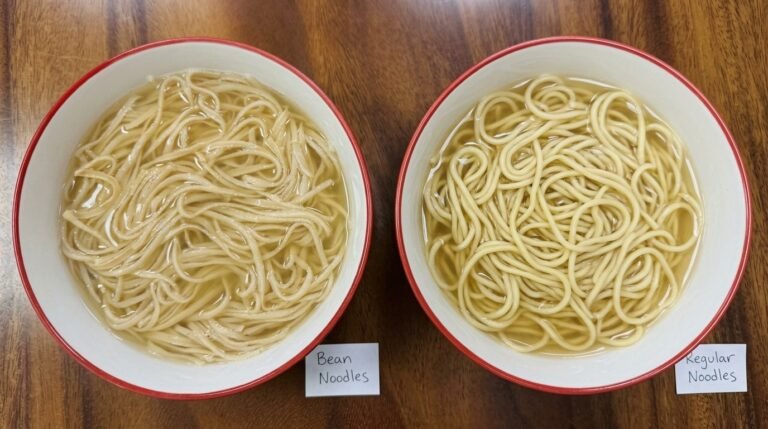
High Protein Noodles vs Traditional Noodles
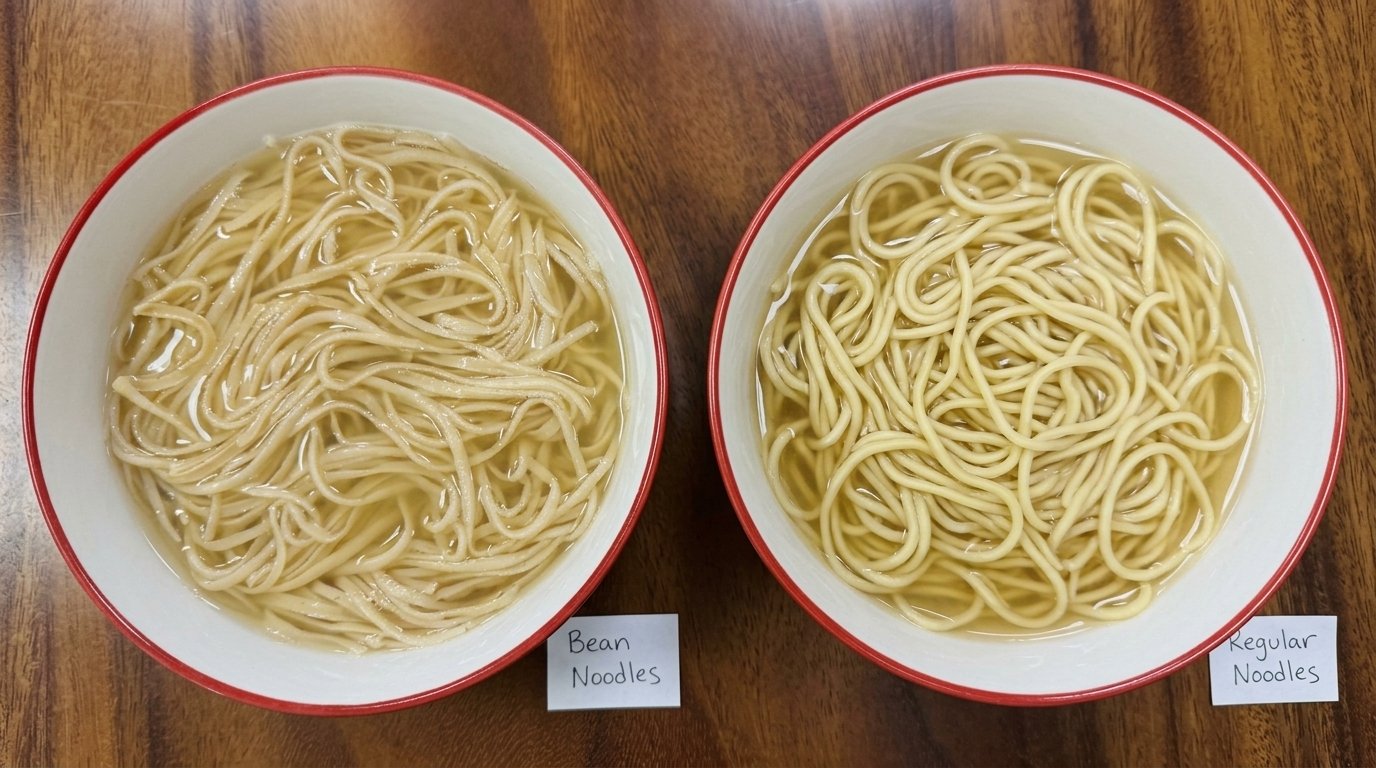
So, how do high protein noodles compare with traditional noodles?
Feature Traditional Noodles High Protein Noodles
Main ingredients Often wheat or starch Protein-rich ingredients such as soybean or legumes
Protein Moderate Higher, depending on formulation
Carbohydrates Often relatively high Can be lower, depending on formulation
Fiber Depends on ingredients Can be higher when fiber-rich ingredients are used
Plant-based options Available Commonly available
Convenience Varies Available in both dry and instant formats
The most important point is that not all high protein noodles are the same.
The nutritional value depends on the specific ingredients and formulation.
Instant noodles are popular because they are fast, convenient, and easy to prepare.
However, traditional instant noodles are not always designed around high protein nutrition.
This has created an opportunity for a new generation of high protein instant noodles.
Instead of choosing between convenience and nutrition, consumers can look for products that combine:
This is particularly relevant for busy professionals, active consumers, and people looking for convenient meal solutions.
Soybean and konjac offer different nutritional and functional characteristics.
Soybean is valued for its protein content, while konjac is known for its glucomannan fiber.
Combining them allows manufacturers to create a noodle product that is different from conventional wheat-based noodles.
This combination can be particularly attractive for the growing market for:
For food brands, soybean konjac noodles also provide opportunities to develop products positioned around protein, fiber, and convenience.
If you are looking for high protein noodles, don’t only look at the front of the package.
Instead, check these five points:
Look at the actual nutrition facts and compare protein levels between products.
Look for protein-rich ingredients such as soybean, soy protein, peas, legumes, or other plant-based protein sources.
If you are specifically looking for low carb noodles, compare the carbohydrate content rather than assuming that every high protein noodle is automatically low carb.
Fiber can be another useful nutritional consideration, particularly when choosing noodles containing konjac or other fiber-rich ingredients.
For instant noodles, remember to look beyond the noodles themselves.
The seasoning sachet, oil packet, serving size, and preparation method can all affect the overall nutritional profile of the finished meal.
Soybean noodles can be an interesting alternative for consumers who want to increase their protein intake while exploring different noodle ingredients.
They are especially suitable for people interested in:
However, there is no single noodle that is best for everyone.
The right choice depends on individual dietary needs, taste preferences, nutritional goals, and lifestyle.
High protein noodles don’t have to be limited to traditional noodle soup.They can be used in many convenient meal ideas.
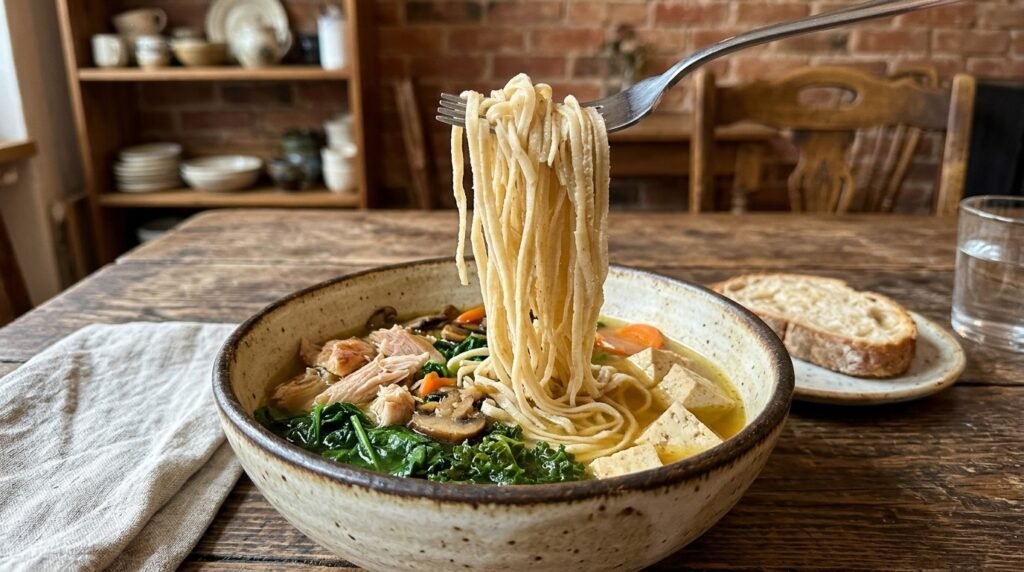
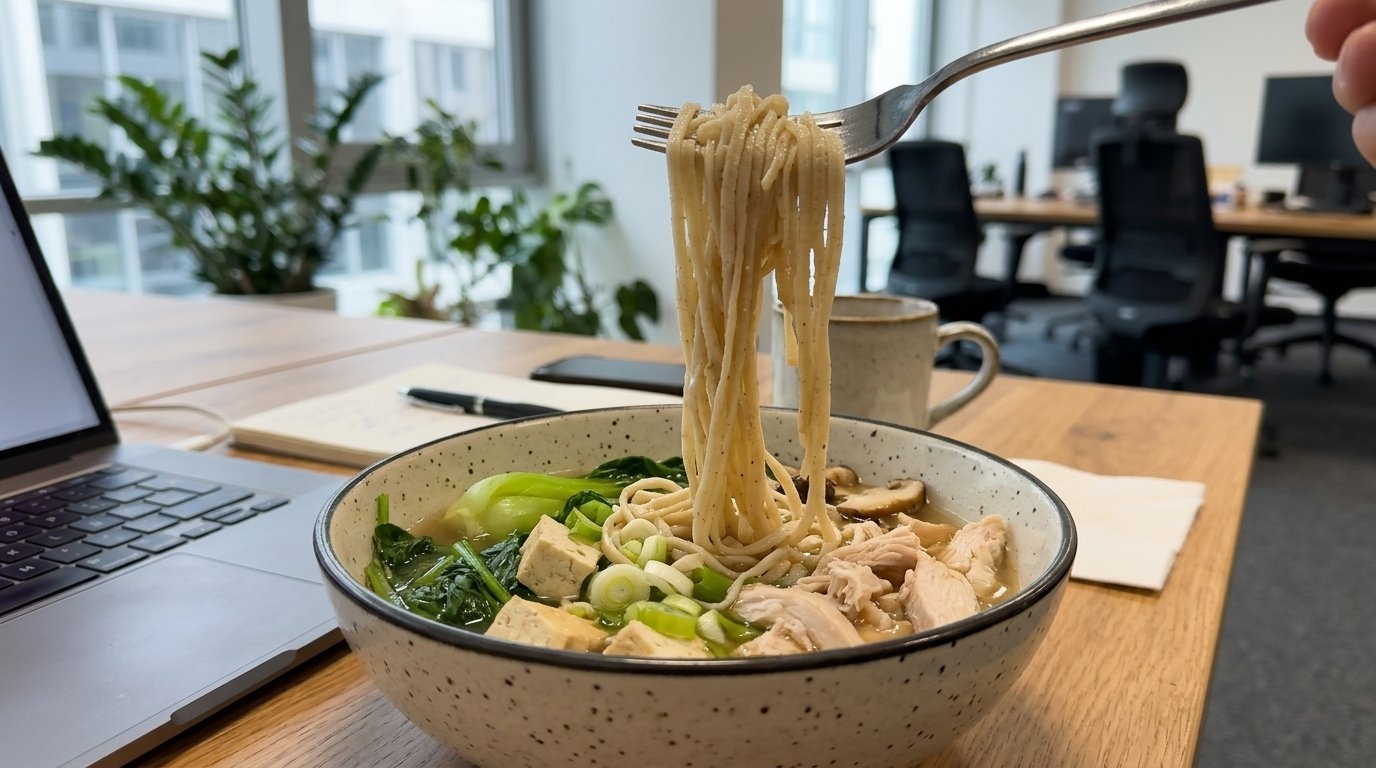
Combine soybean konjac noodles with vegetables, tofu, chicken, or other protein-rich ingredients for a balanced meal.
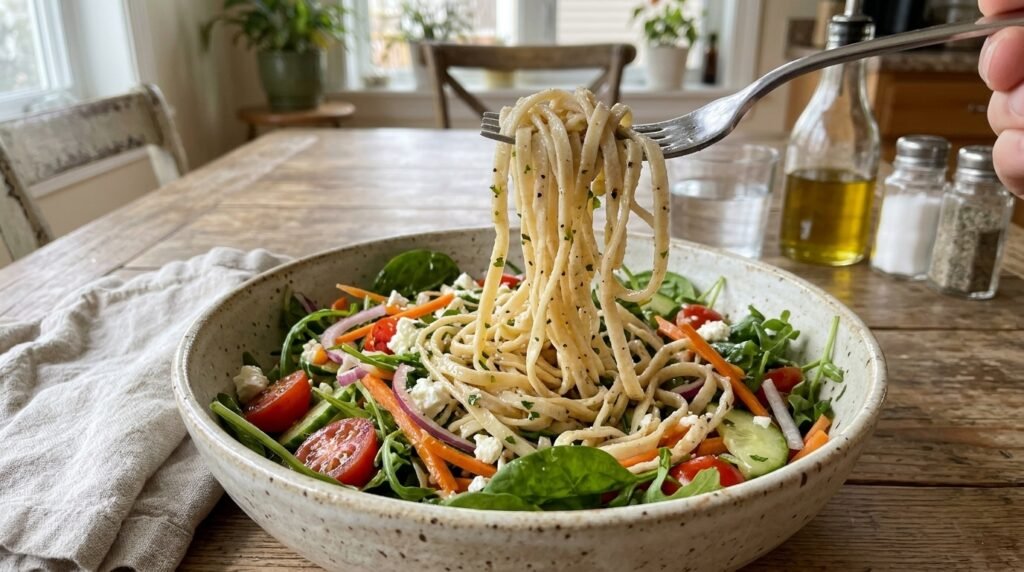
After preparation, soybean konjac noodles can be combined with fresh vegetables and a light dressing for a convenient cold noodle meal.
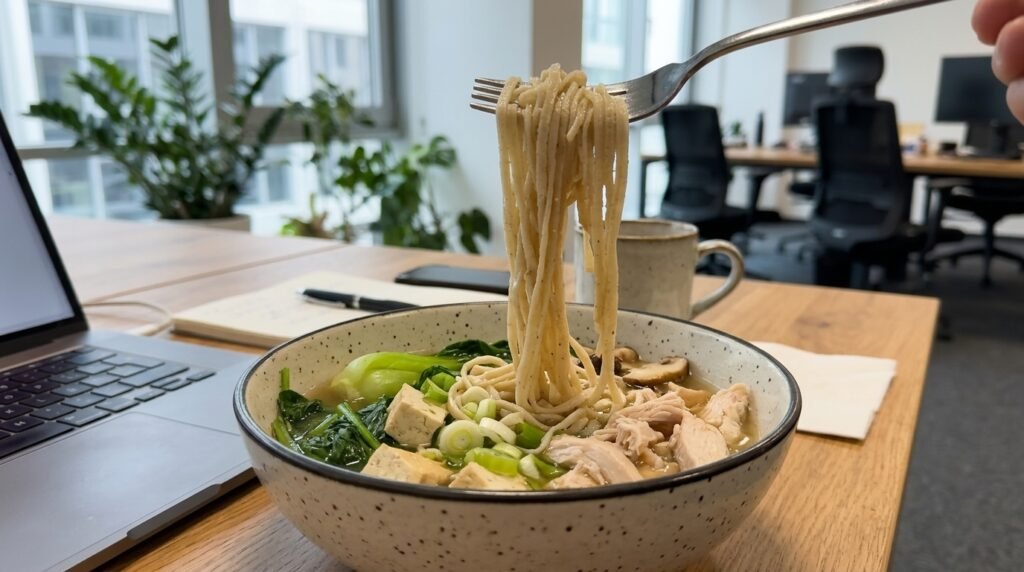
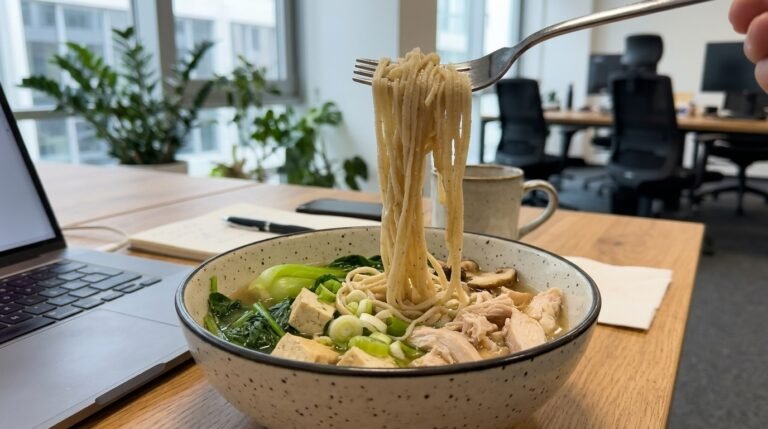
Instant soybean konjac noodles can also be a practical option for busy office workers who want a quick meal with more protein.
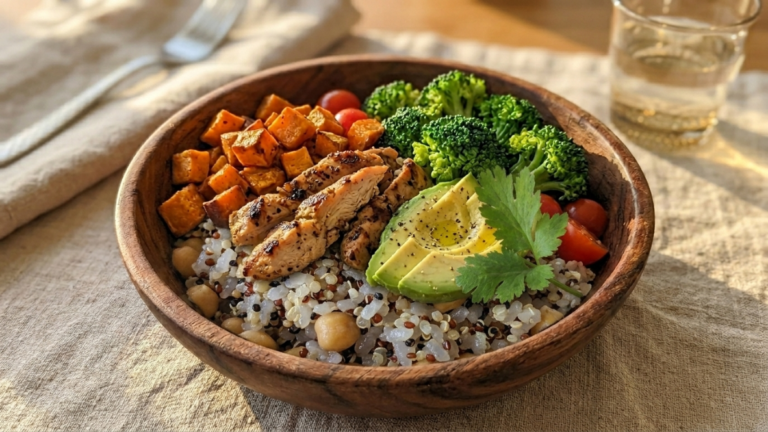
The key is to combine noodles with a variety of vegetables and protein sources to create a balanced overall meal.
High protein noodles are more than just a trend. They reflect a broader shift toward foods that combine convenience with nutritional value.
When choosing a high protein noodle, look beyond the marketing claims and compare the actual nutrition facts, ingredients, fiber, carbohydrates, serving size, and seasoning.
For consumers looking for a plant-based, protein-focused noodle option, soybean konjac noodles offer an interesting combination of soybean protein and konjac fiber in a convenient noodle format.
And for brands looking to develop the next generation of convenient high protein foods, soybean konjac noodles can be a versatile starting point.
Explore The Konjac Queen’s Instant Soybean Konjac Noodles and contact our team to discuss private label, packaging, formulation, and product development options.